Designing for Time: How Gardens Mature, Adapt, and Outlast Trends
Designing for Time: How Gardens Mature, Adapt, and Outlast Trends
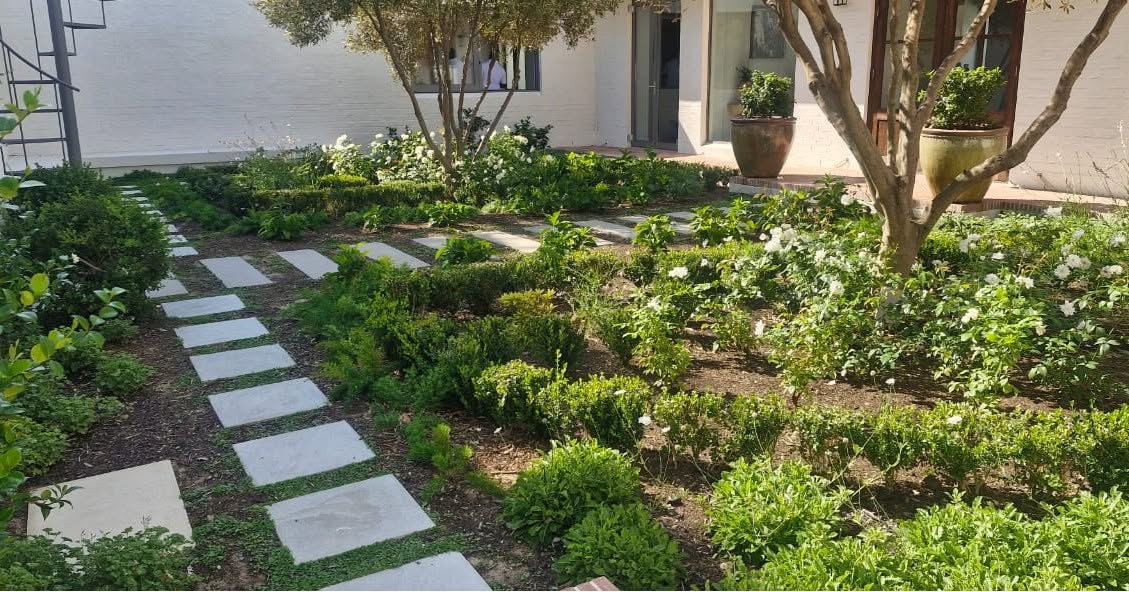
Most gardens are designed for the moment they are installed. The plants are placed, the edges are neat, the colours are carefully chosen and for a brief moment, everything feels complete.
But the real question is: what happens after that?
At BEST Landscaping, we believe the most successful gardens aren’t those that look perfect on day one. They’re the ones that grow into themselves over time, spaces that become richer, more layered, and more meaningful with each passing season.
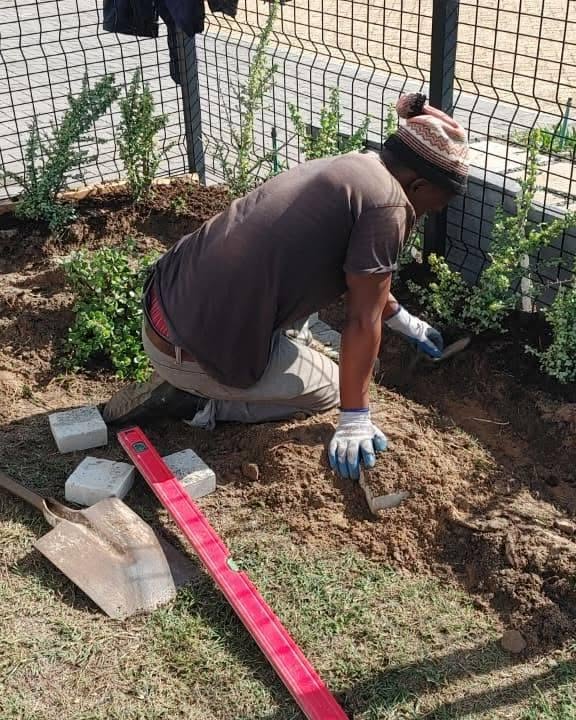
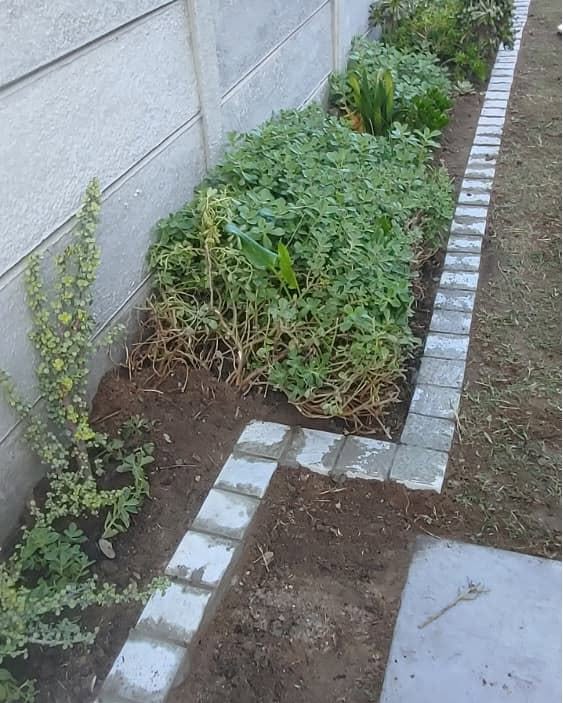
The Garden You Don’t See Yet
Every well-designed garden holds a future version of itself.
The young tree that seems almost insignificant today may one day anchor the entire space. The layered planting that looks sparse at first is quietly preparing to fill out, soften edges, and create depth. These decisions often go unnoticed in the early stages, but they are the ones that matter most.
Designing for time means resisting the urge to overcrowd or over-style. It means allowing for growth, both planned and unexpected, and understanding that the garden you see today is only the beginning.
Good landscapes impress immediately. Great ones reveal themselves over time.
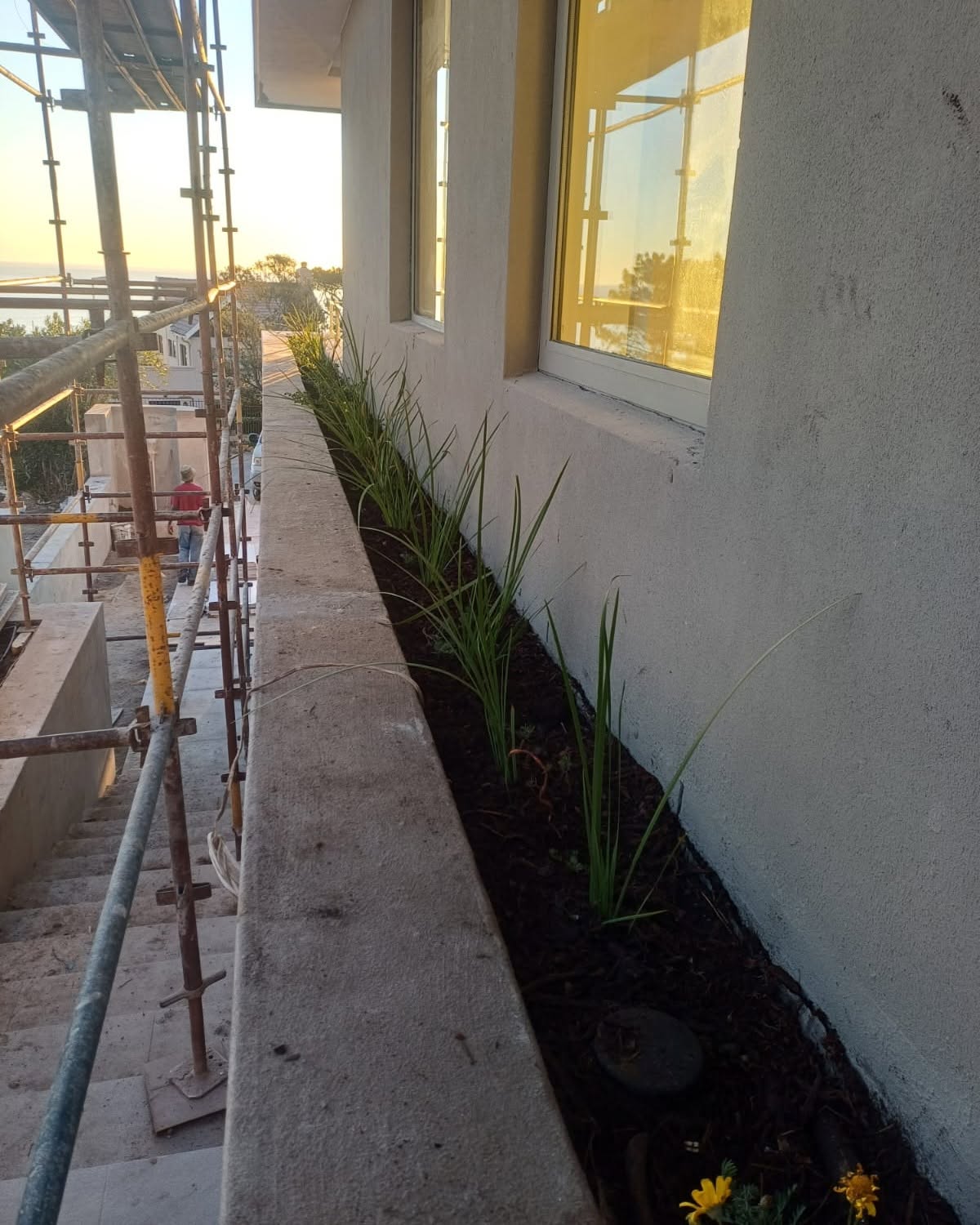
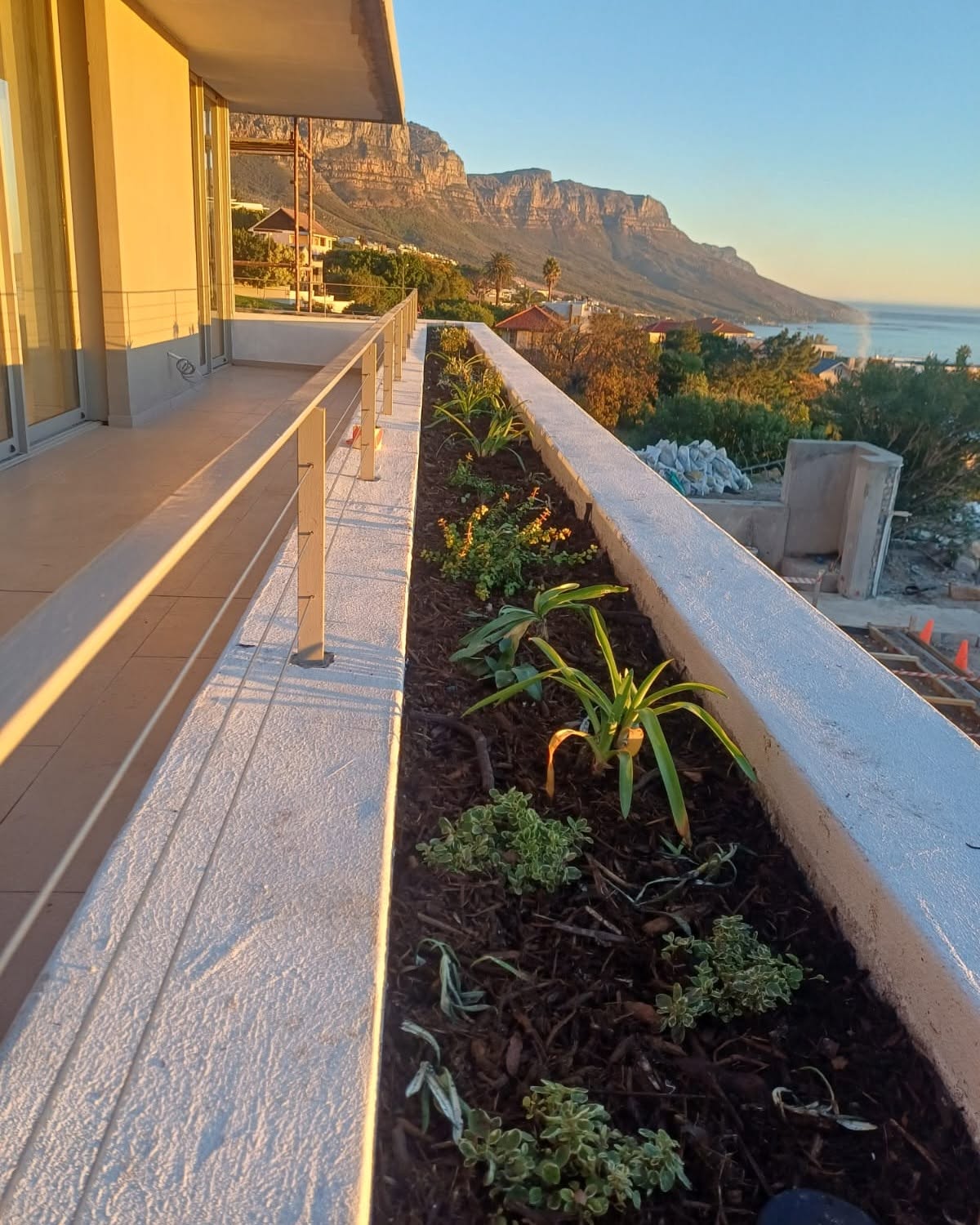
Designing for Change, Not Perfection
Gardens are living systems, not static displays.
They respond to weather, water availability, soil conditions, and the evolving needs of the people who use them. In a city like Cape Town, where environmental conditions can shift dramatically, adaptability isn’t a luxury, it’s essential. A well-considered garden design allows for flexibility:
- Plants that can handle variation.
- Layouts that can evolve.
- Spaces that can be reimagined as needs change.
Rather than aiming for a fixed idea of perfection, the goal becomes resilience, creating a landscape that can adjust without losing its essence.
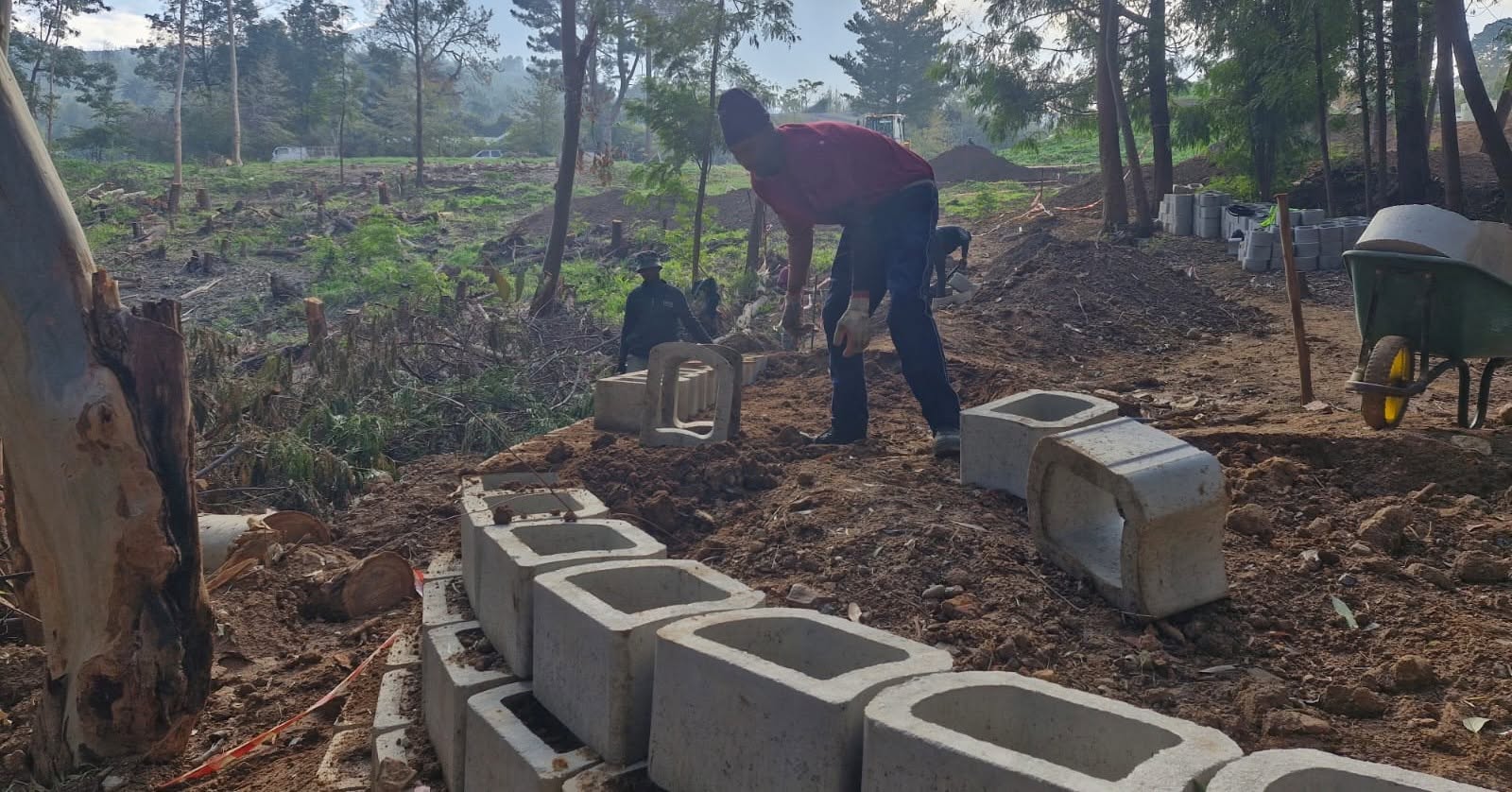
The Beauty of Patina
There’s a quiet shift happening in how we think about outdoor spaces. Increasingly, character is being valued over perfection.
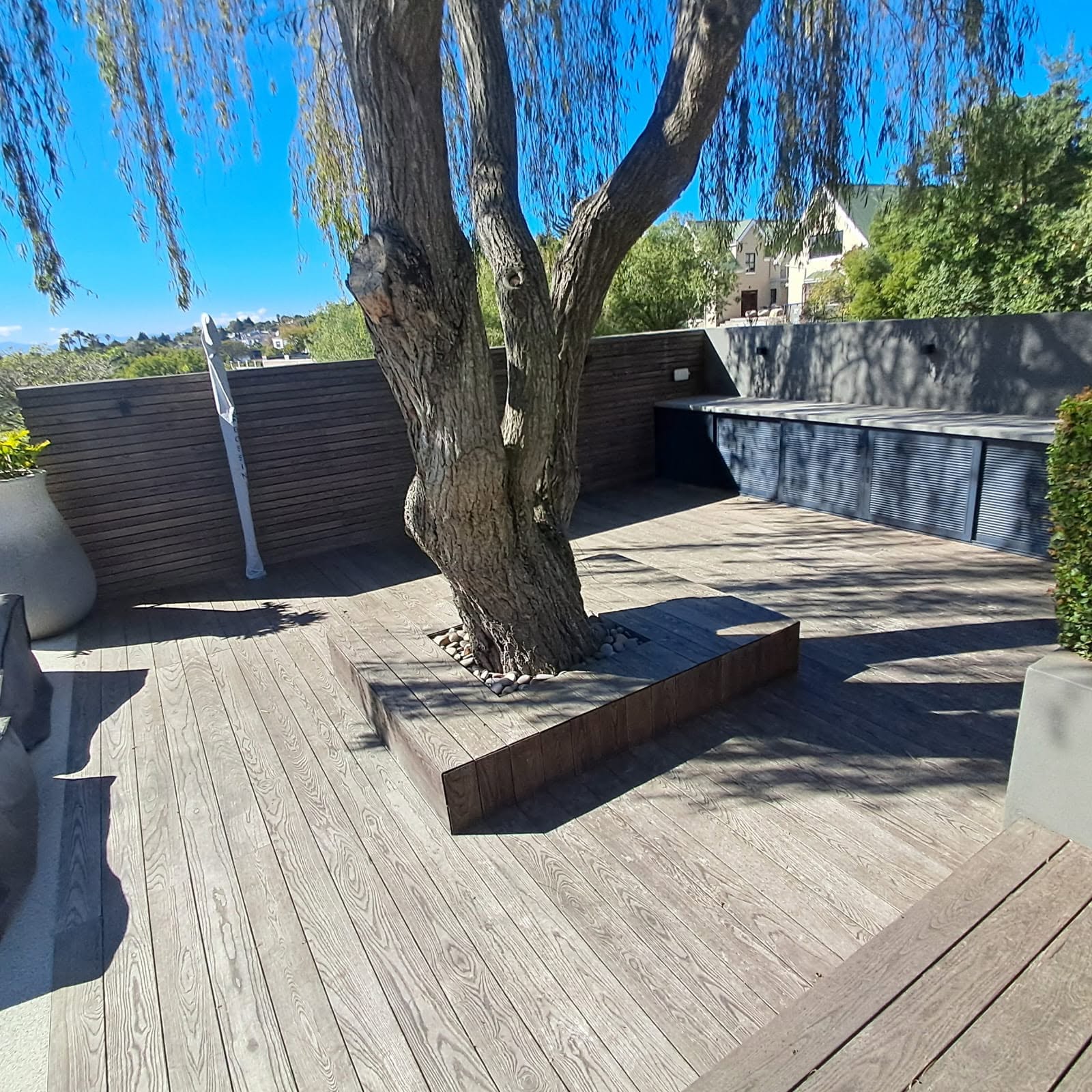
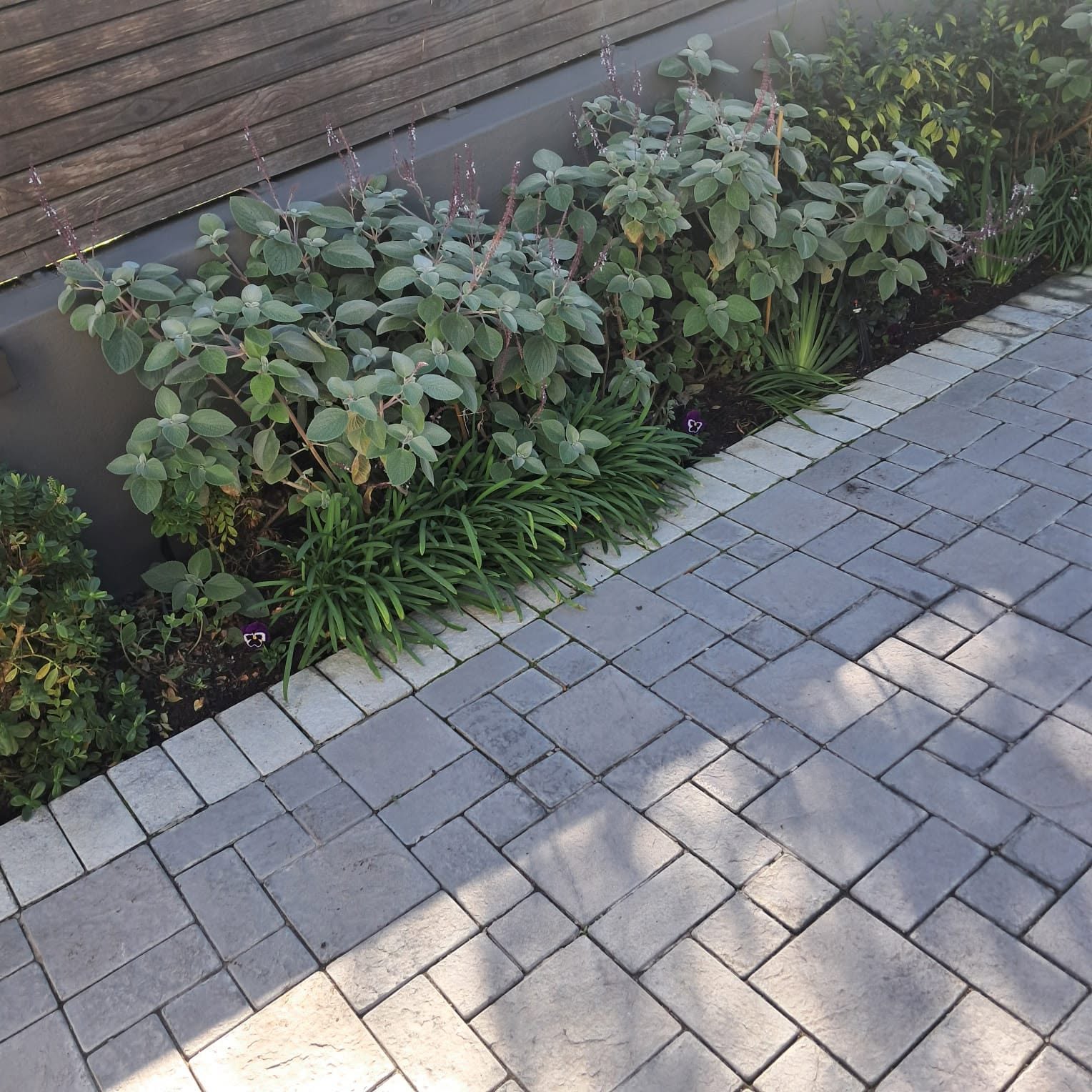
A slightly weathered surface. A pathway softened by time. Plants that spill and settle naturally rather than being tightly controlled. These elements bring a sense of authenticity that cannot be manufactured overnight.
This doesn’t mean neglect, it means allowing a garden to breathe, to age, and to develop its own personality. In many ways, it’s the difference between something that is maintained and something that is alive.
A Different Way of Thinking About Value
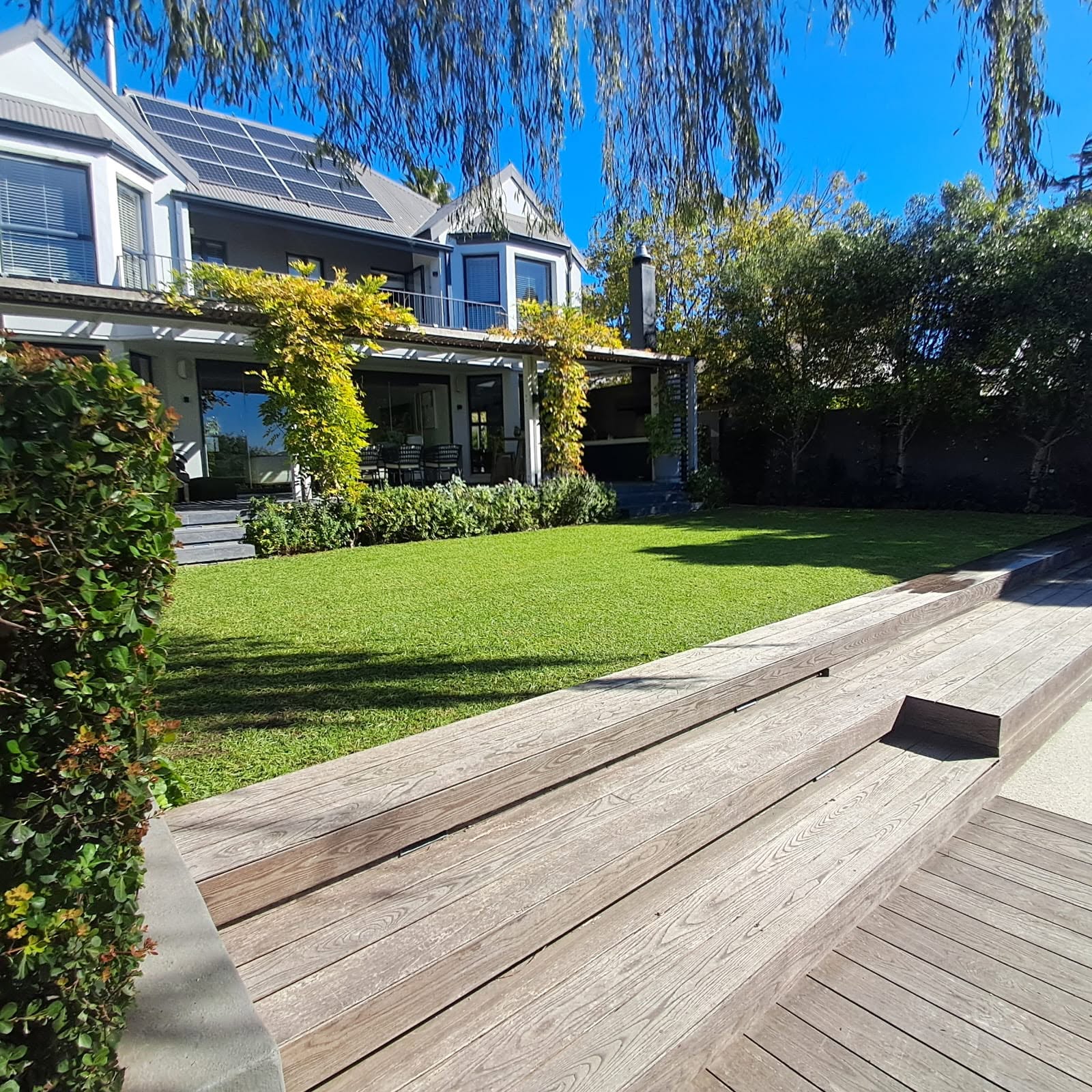
It’s easy to approach landscaping as a once-off project, something to complete and then maintain. But the most rewarding outdoor spaces come from a different mindset.
A long-term approach considers:
- How the space will look in five years, not just five weeks.
- How planting choices will mature and interact.
- How maintenance evolves alongside growth.
This shift turns landscaping from a quick upgrade into an ongoing investment, one that continues to add value, both practically and aesthetically, year after year.
The BEST Landscaping Approach
At BEST Landscaping, our role goes beyond installation. We see ourselves as partners in the lifecycle of every space we create. That means:
- Designing with growth and change in mind.
- Guiding clients through the evolving needs of their gardens.
- Balancing immediate impact with long-term vision.
Because a garden is never truly finished. It matures, it adapts, and, when designed thoughtfully, it only gets better with time.
Looking Ahead
As we move towards Spring, it’s tempting to focus on quick refreshes and seasonal updates. But August offers something more valuable: a moment to pause, plan, and think beyond the immediate.
What will your garden look like in a year? In five? What could it become if given the space, and the time, to grow?
The answers to those questions are where truly exceptional landscapes begin.
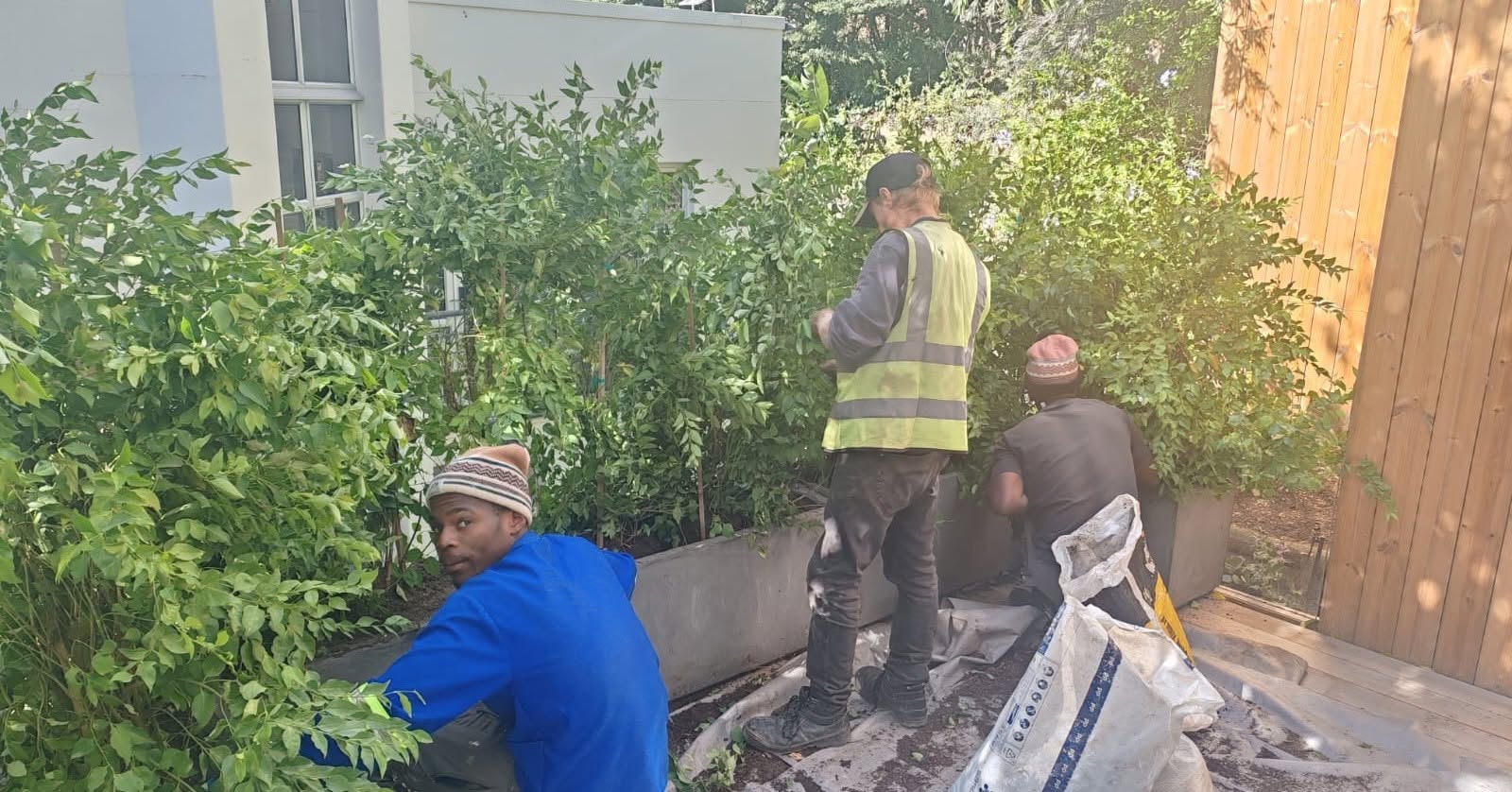
Start Planning for What Comes Next
Whether it’s a private garden, a commercial property, or an educational campus, every outdoor space tells a story over time. The question is: Is yours designed to improve with age, or simply to get by in the moment?
At BEST Landscaping, we work with homeowners, businesses, and institutions to shape spaces that are not only functional today, but resilient and relevant for years to come. From long-term planting strategies to adaptable layouts, our approach is rooted in thoughtful planning and guided evolution.
If you’re ready to move beyond quick fixes and start investing in a landscape that grows with you, now is the time to begin. Let’s design for what your space can become.
📞 Contact BEST Landscaping to schedule a consultation: +27 71 567 9775.
📧 Or reach out to explore a long-term plan tailored to your space: julian@bestlandscaping.co.za.
Because the real success of a landscape is what it becomes over time.
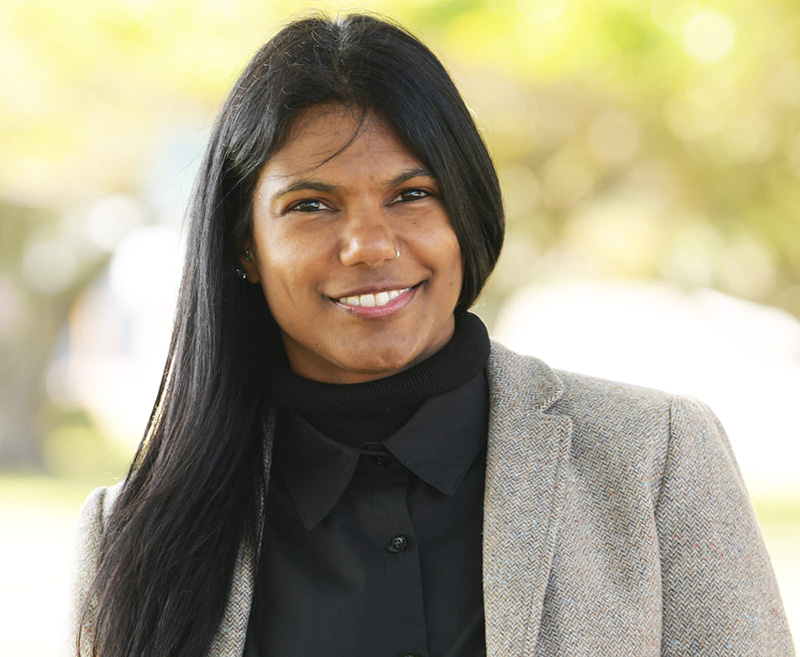
Rooted in Strength:
The Steady Support Behind BEST Landscaping
Strong businesses are not built in isolation. Behind them are often people who provide perspective, encouragement, and a steady sense of direction shaping decisions in ways that are not always visible, but deeply felt. At BEST Landscaping, that quiet support comes from Clare Bartels.
This August, as we mark Women’s Month, it feels fitting to acknowledge the role she plays alongside Julian, not within the business itself, but as a constant source of insight, balance, and encouragement behind it.
A senior professional officer in recreation programmes and partnerships at the City of Cape Town, Clare brings a depth of experience shaped by her work in community-focused spaces, long-term planning, and collaborative development. While her professional role sits entirely separate from BEST Landscaping, the way she thinks about sustainability, growth, and resilience naturally influences conversations around the business.
Her perspective offers a sounding board, one that values measured progress over quick wins, and long-term direction over short-term pressure.
Balancing a demanding career alongside family life with their two children, Jonah and Anna, Clare embodies the kind of steady strength that often goes unrecognised in business stories, yet plays a meaningful role in how they unfold.
Her influence isn’t found in project plans or site work, but in the consistency, perspective, and support that help sustain the journey over time.
-
Clare, your work is separate from BEST Landscaping, but you are closely connected to the journey; how would you describe the role you play alongside it?
My journey with Julian began when he moved permanently to Cape Town in 2009. Even then, his determination, work ethic, and ability to build relationships stood out. It was clear he was someone who would eventually build something of his own. When BEST Landscaping launched at the end of 2019, the country was heading into lockdown. It could easily have been a difficult start for a new business, but Julian’s drive and belief in the vision never waivered. From securing a major project in those early days to growing the business into what it is today, it has been inspiring to watch the journey unfold.Like any business, there have been highs and challenges along the way. My role has often been to provide support where needed, whether that meant sharing a different perspective, offering advice, or simply creating the space for Julian to focus when work demanded extra attention. Of course, that support goes both ways. We share family responsibilities and step in for one another when needed. Over the years, we’ve learned that building a life together is very much a team effort.
-
Your professional work focuses on recreation programmes and partnerships. Has that shaped how you think about growth, sustainability, or long-term planning more generally?
Absolutely. My career began as a biokineticist, but my interests gradually shifted towards physical activity, public health and community development. Through my postgraduate studies and research, I became particularly interested in how environments, policies and programmes create opportunities for people to thrive.Over time, this evolved into work centred on strategy development, programme design, monitoring, evaluation and long-term impact. That experience has reinforced the importance of planning with purpose, using evidence to guide decisions, and continually adapting to changing circumstances. Those principles apply just as much to business as they do to community programmes. Julian and I often discuss how organisations need to evolve in order to remain relevant and competitive, while staying aligned to their long-term vision. Sustainable growth doesn’t happen by accident. It requires intentional planning and a willingness to keep learning along the way.
-
This month’s theme centres on building with the future in mind. In your experience, what does it take to support something – whether a person, a business, or a vision – over time?
It starts with having a clear plan. Anyone who knows Julian knows that he values planning! But having a plan is only the beginning. Once things are in motion, you need patience, consistency and a willingness to trust the process. There will always be unexpected challenges and setbacks, but growth often happens in those moments where you choose to keep moving forward despite the obstacles. Supporting a person, a business, or a vision over time also requires regular reflection. It’s about learning, adjusting. and continuing to invest energy into something even when the results aren’t immediate. Long-term success is rarely built overnight. -
Balancing a demanding career, family life, and supporting a business is no small task. How do you approach that balance in a way that feels sustainable?
Life is certainly busy. During the week our focus is largely on work and school commitments, but we’ve always tried to make family time a priority. We love spending time at home and often have friends and family around on weekends. If we’re not at home, we’re usually out exploring and enjoying activities together as a family. Those moments help create a healthy balance between work and play. Our Christian faith is also an important part of our lives. It provides perspective, grounding, and a strong foundation for the way we approach both family and work. -
August is Women’s Month, what does this time of reflection mean to you personally?
Women’s Month reminds me of the incredible women who have shaped my life. Many of them have faced significant challenges, yet continue to show remarkable strength, resilience and generosity towards others.What stands out most to me is the way women support one another, whether in friendship, family life, business or their communities. There is something powerful about women encouraging, mentoring and lifting each other up. I have a deep appreciation for women who juggle multiple responsibilities every day, supporting their families, pursuing their careers and often helping others achieve their goals too. Reflecting on their example inspires me to continue showing up for the people who matter most in my own life.