July Reflection: Steady, Strong, and Ready for What’s Next
July Reflection: Steady, Strong, and Ready for What’s Next
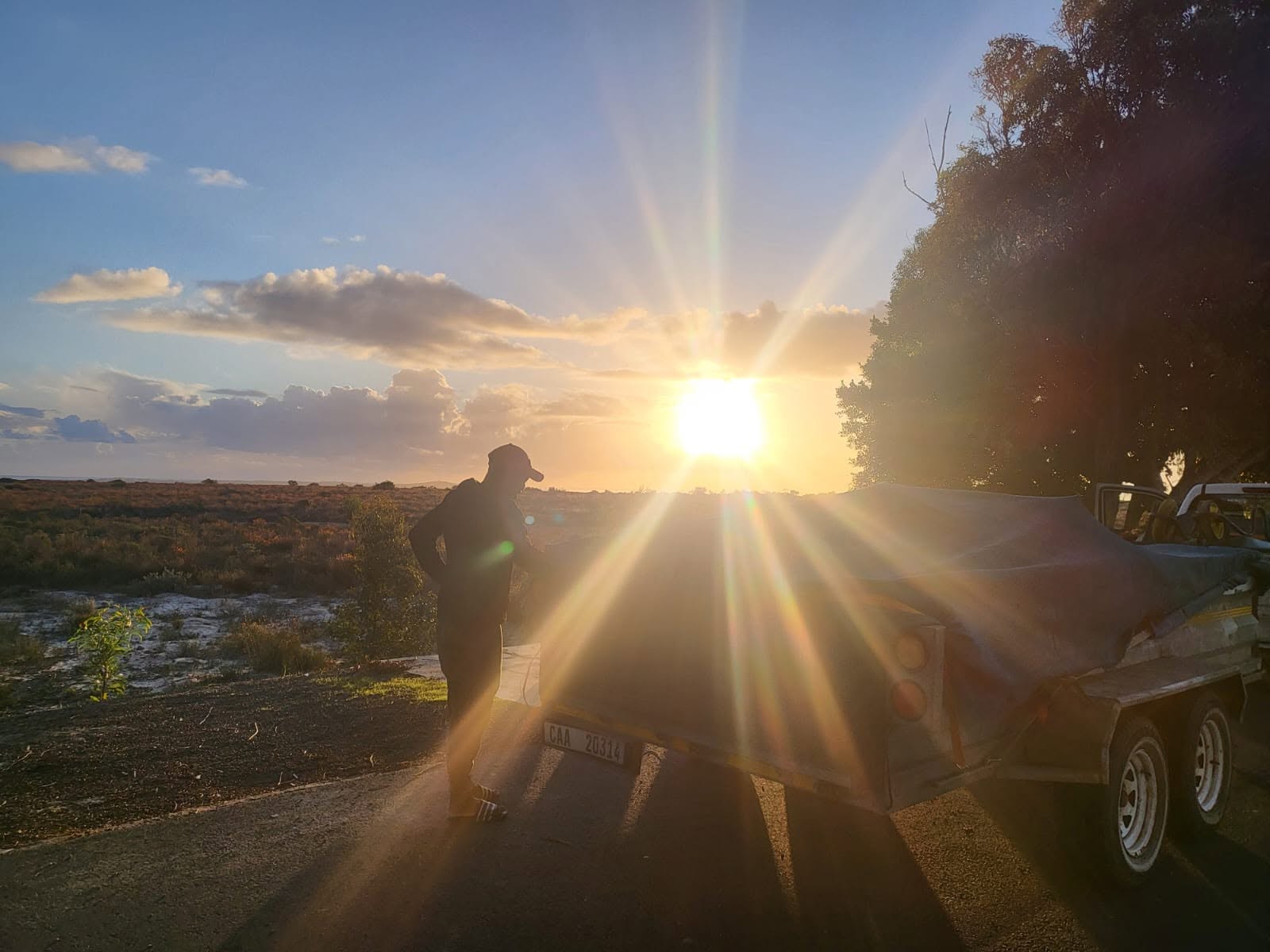
As we move deeper into the year, July has a way of inviting a pause.
We’re well into the second half, the early pace of the year has settled, and there’s just enough space to take stock of where things stand and where we’re heading next. It’s a quieter stretch, not because the work stops, but because it shifts. The urgency softens, the rhythm steadies, and a different kind of focus takes over.
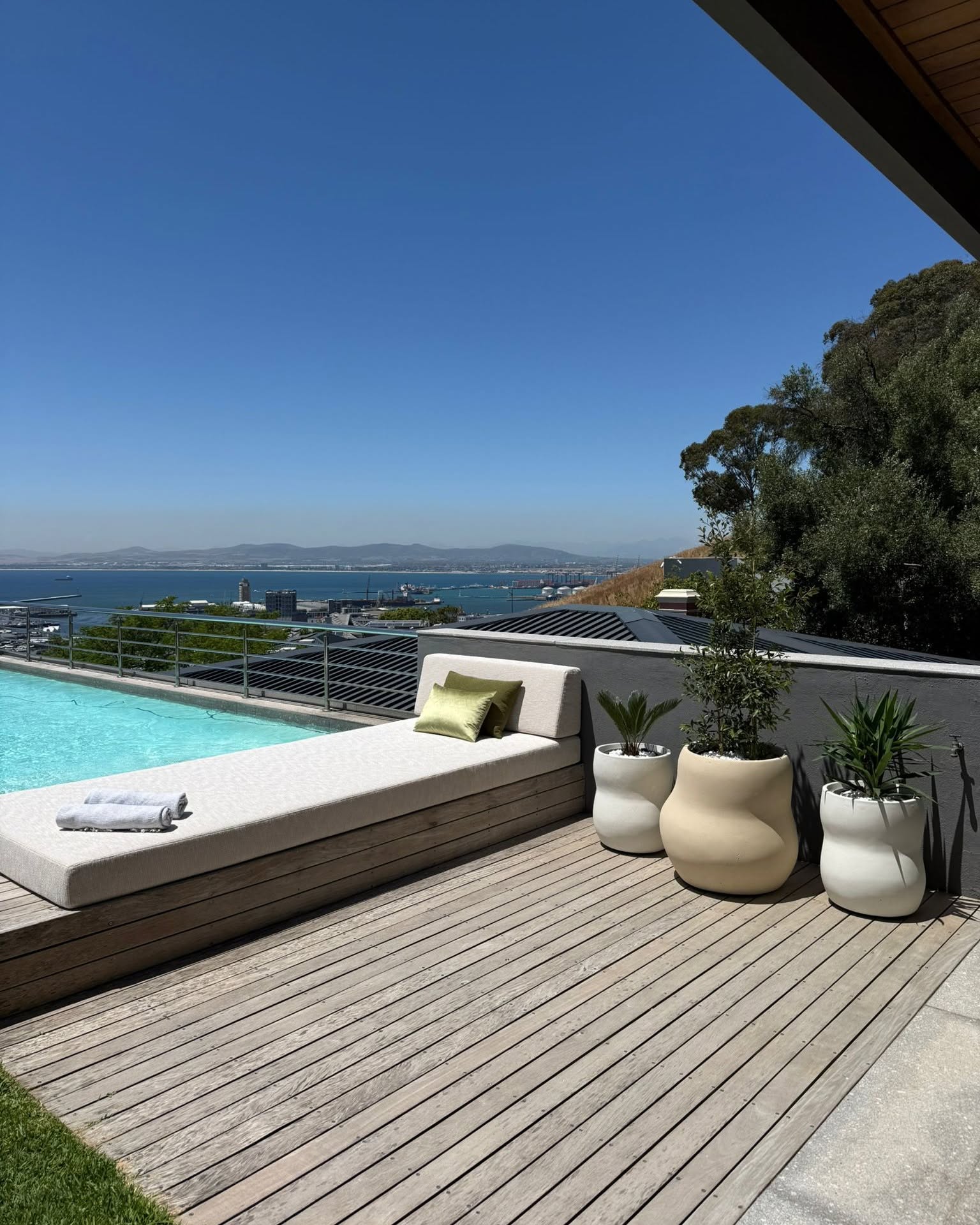
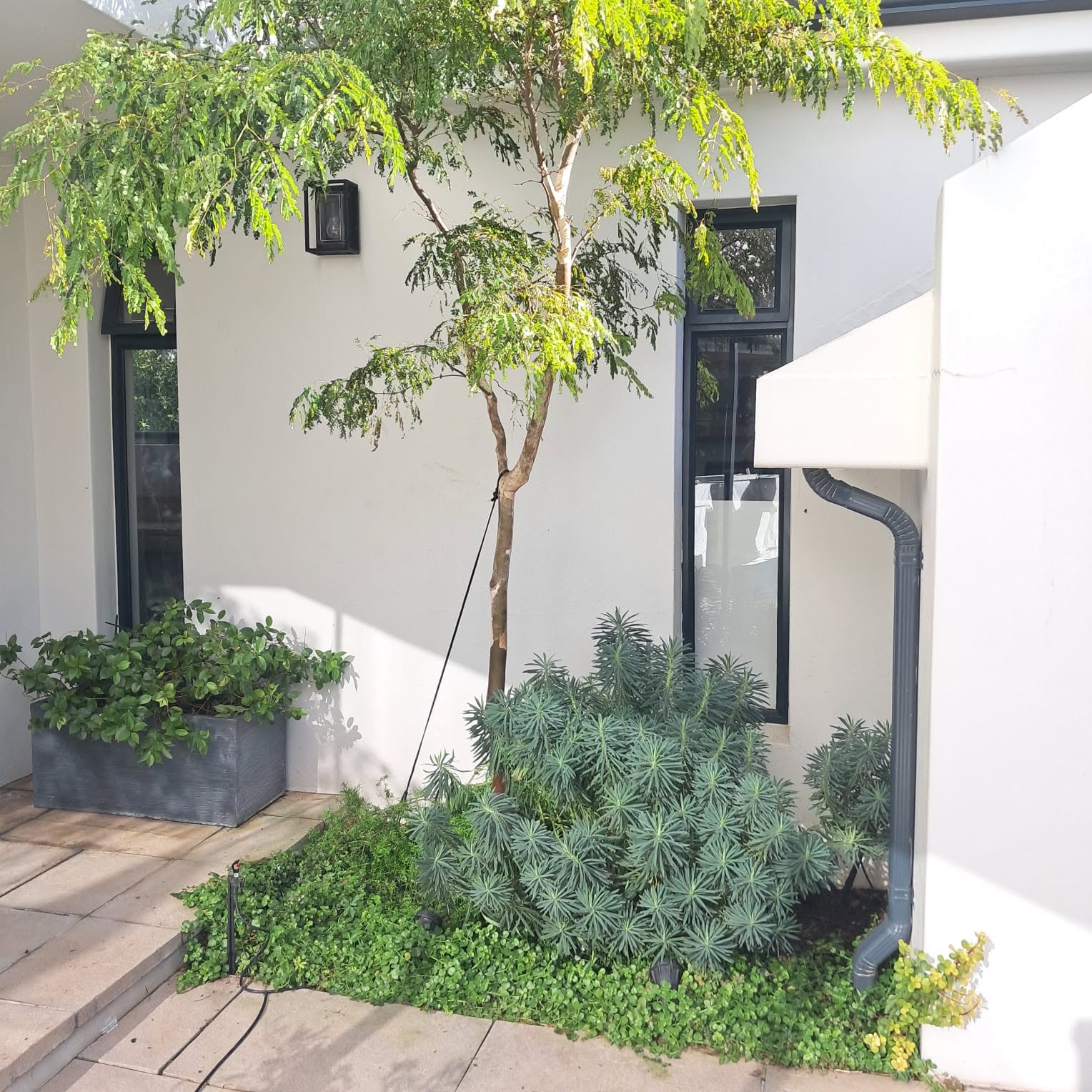
What Winter Looks Like in the Garden
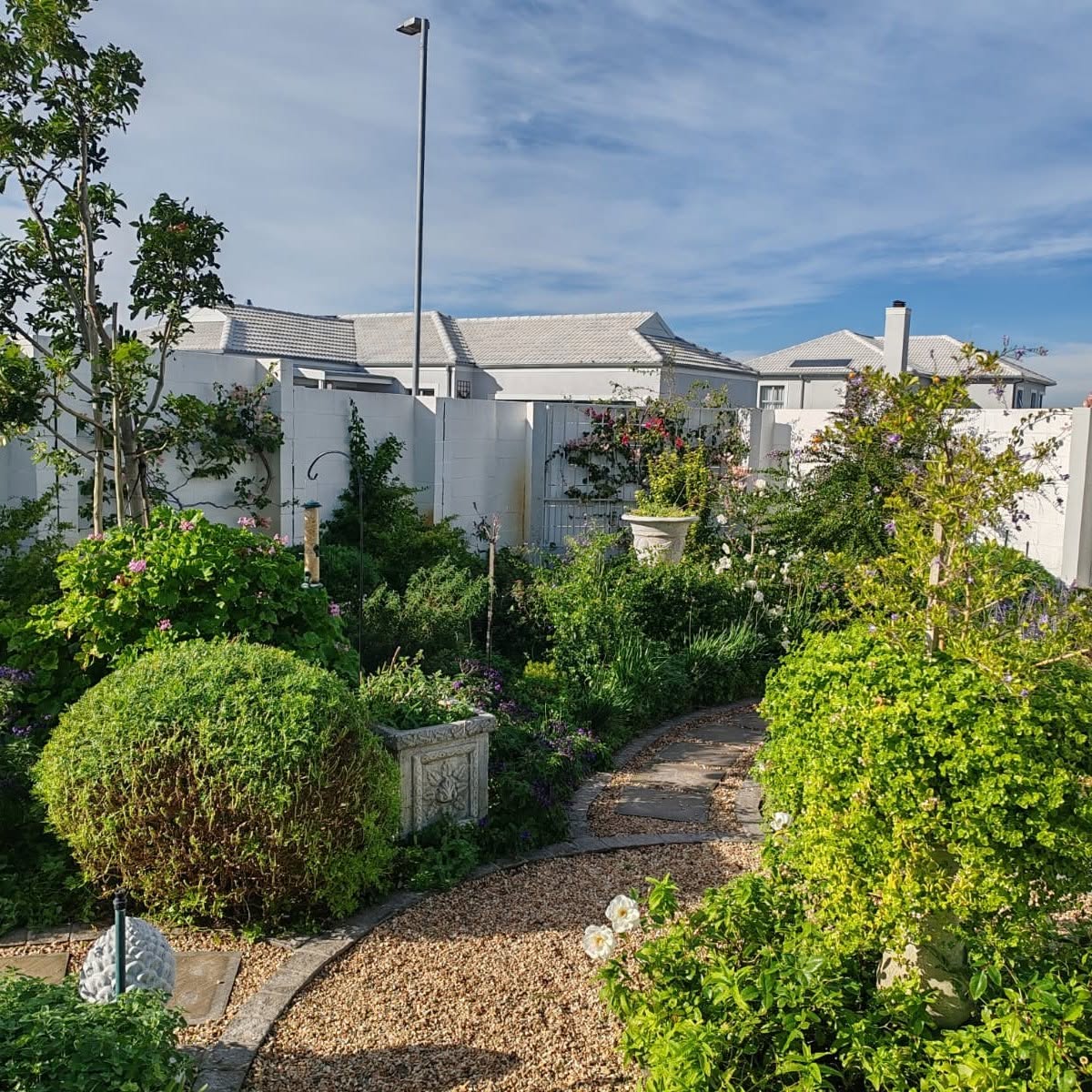
In landscaping, this time of year often happens behind the scenes.
Gardens are quieter. Growth slows. Colour becomes more subtle. But the work doesn’t stop, it simply changes shape. What isn’t visible above the surface is still taking place below it: soil settling, roots strengthening, structure holding. It’s a season that rewards patience and consistency. And in many ways, it mirrors how we work.
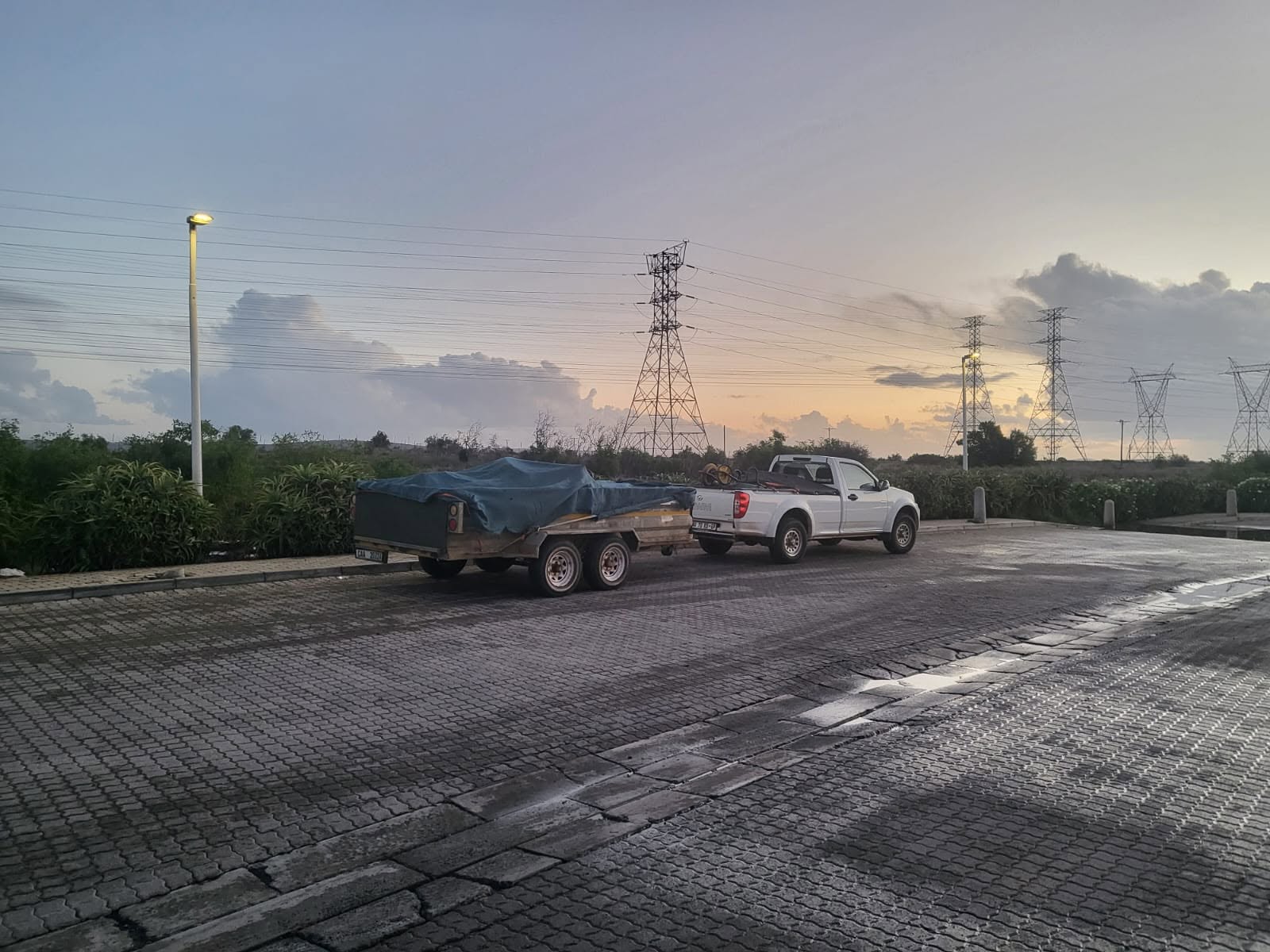
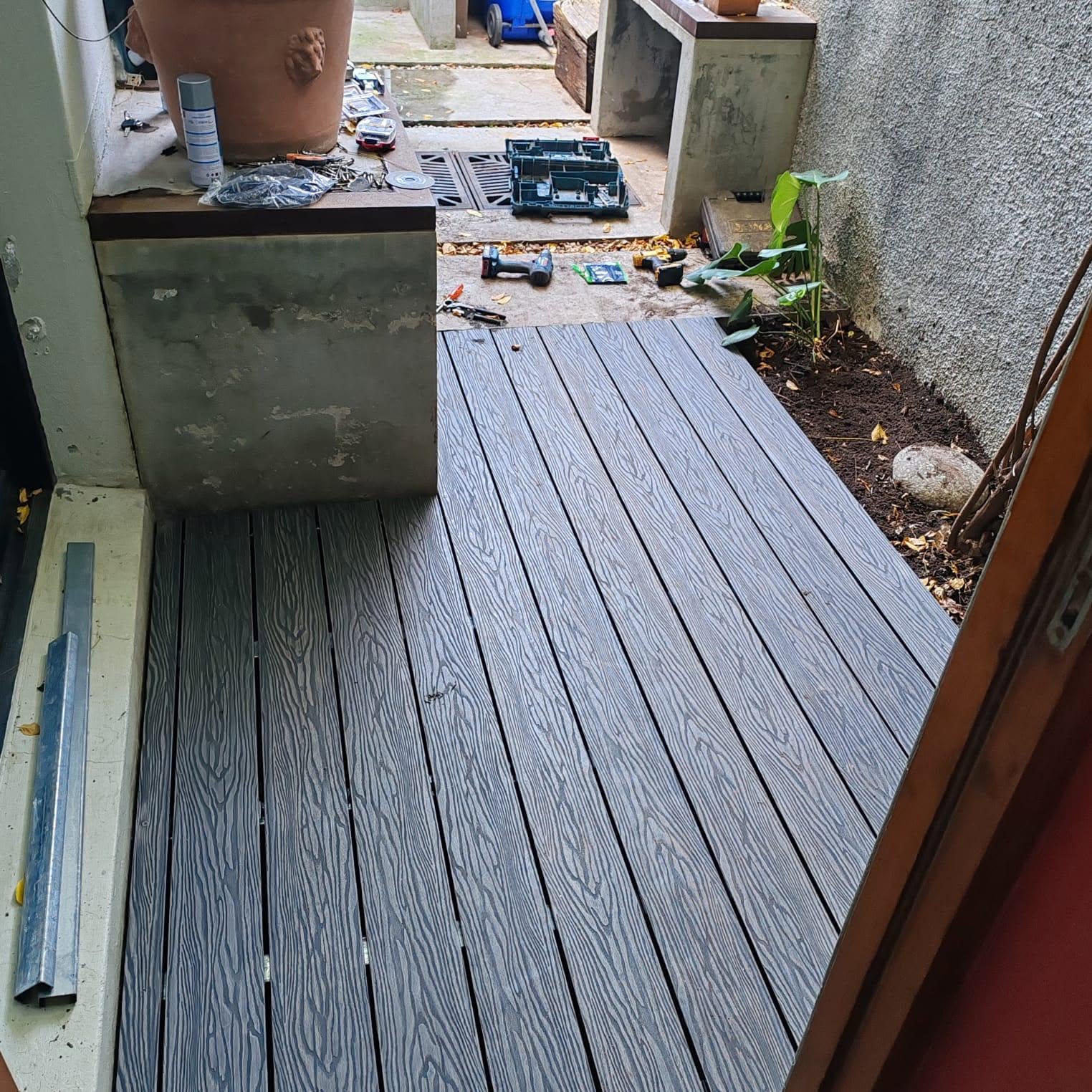
The Work Behind the Work
At BEST Landscaping, this time of year becomes a natural moment for reflection and preparation. It’s an opportunity to look at what has been achieved, what has been tested, and where we continue to build strength, not just in the gardens we work on, but in how we operate as a team.
What keeps everything steady isn’t just what happens on site. It’s what sits behind it; the systems, the planning, and the shared understanding that projects need to keep moving, even when circumstances shift or unexpected challenges arise.
That consistency matters.
Clients don’t see every adjustment or every moving part behind the scenes, and they shouldn’t have to. The expectation is simple: that the work continues, that the standard remains high, and that there’s a sense of reliability you can depend on.
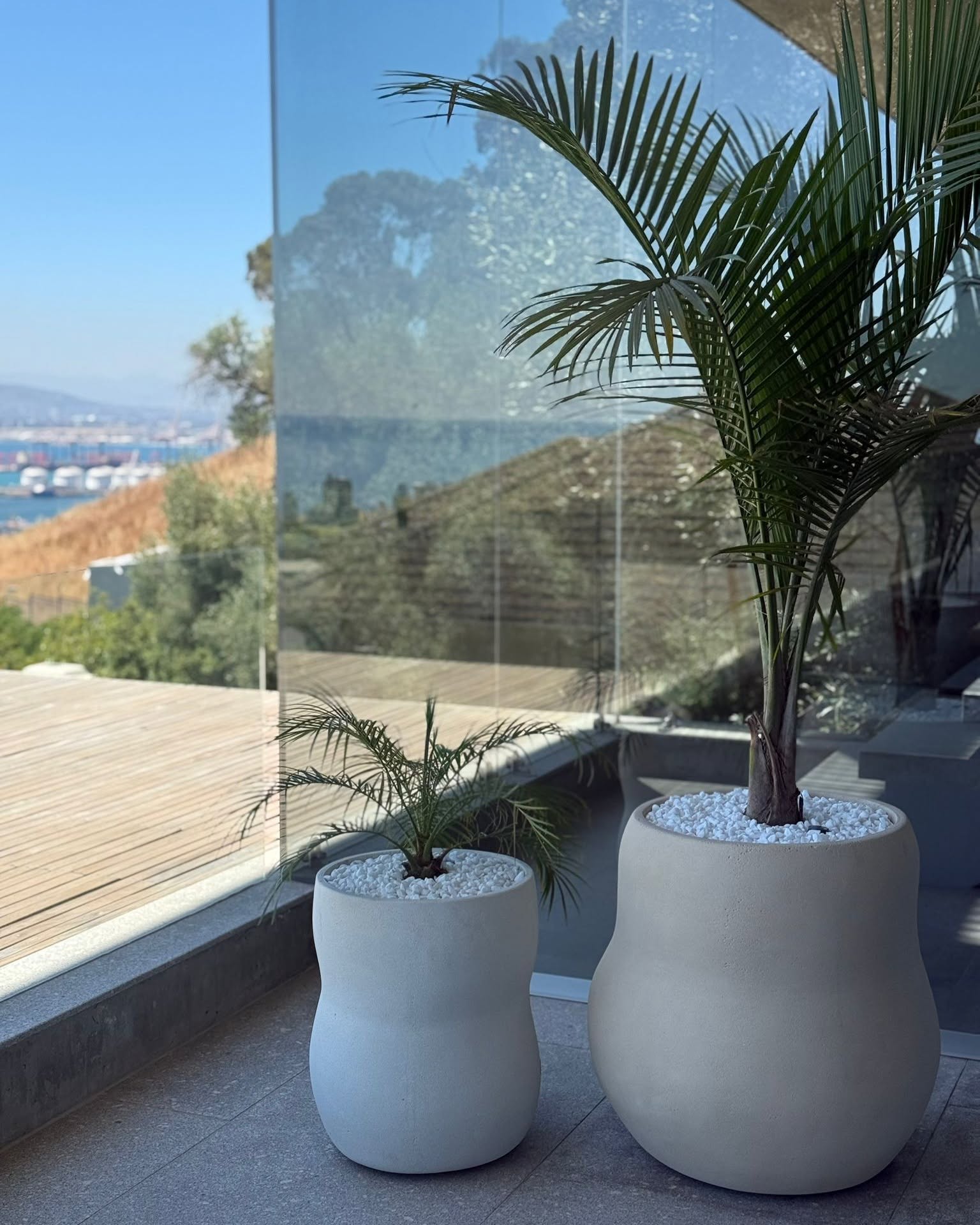
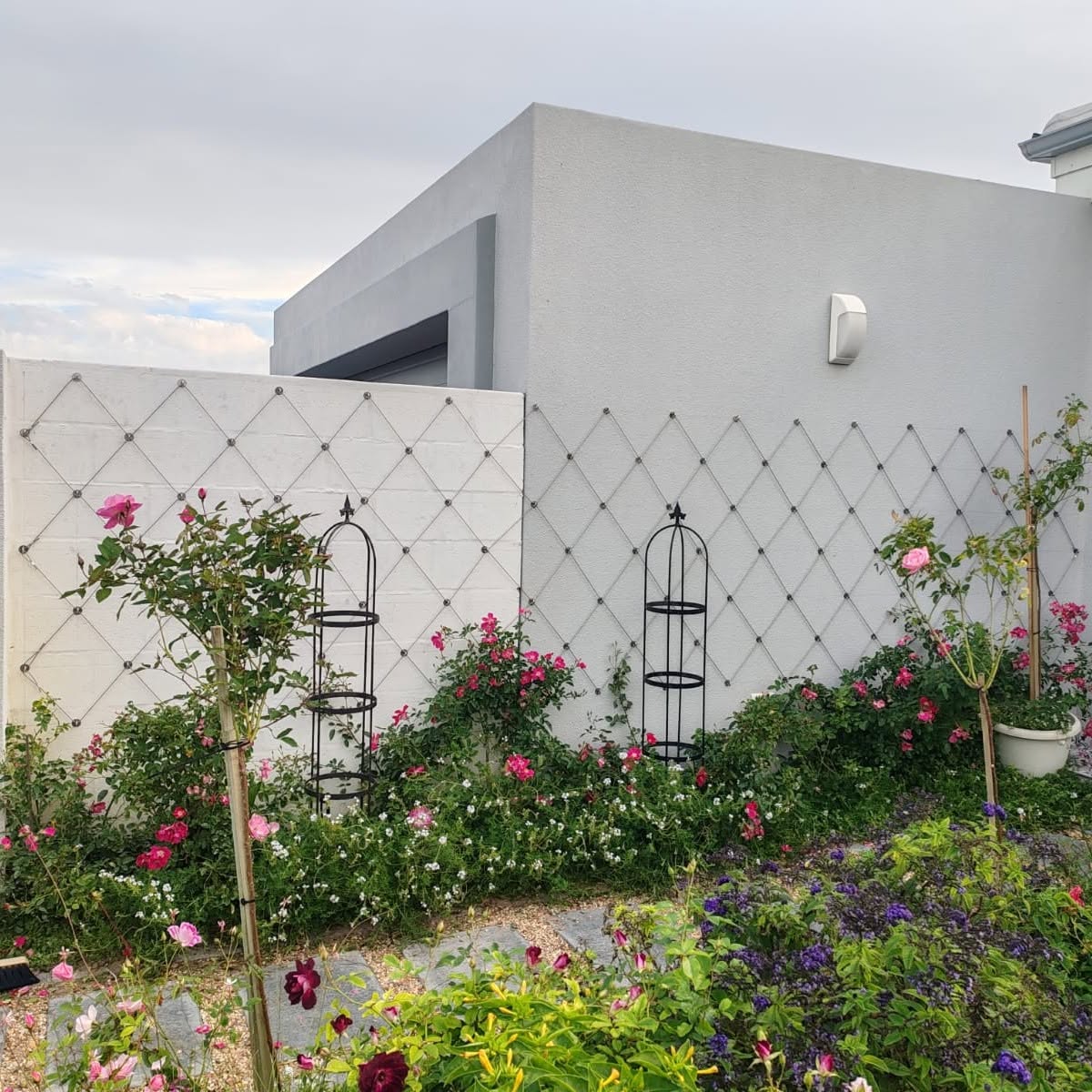
Working With the Season
Winter also brings its own realities.
There are slower periods, where things ease off and timelines stretch. There are pressures that come with working in a climate where water remains a consideration, not just during restrictions, but as an ongoing responsibility. Rather than reacting to these moments, we’ve learned to work with them, to plan properly, to use quieter times productively, and to keep a steady approach so that the level of work doesn’t fluctuate with the season.
Because for us, sustainability isn’t only about what goes into a garden. It’s about how the business itself continues, consistently, responsibly, and with foresight.
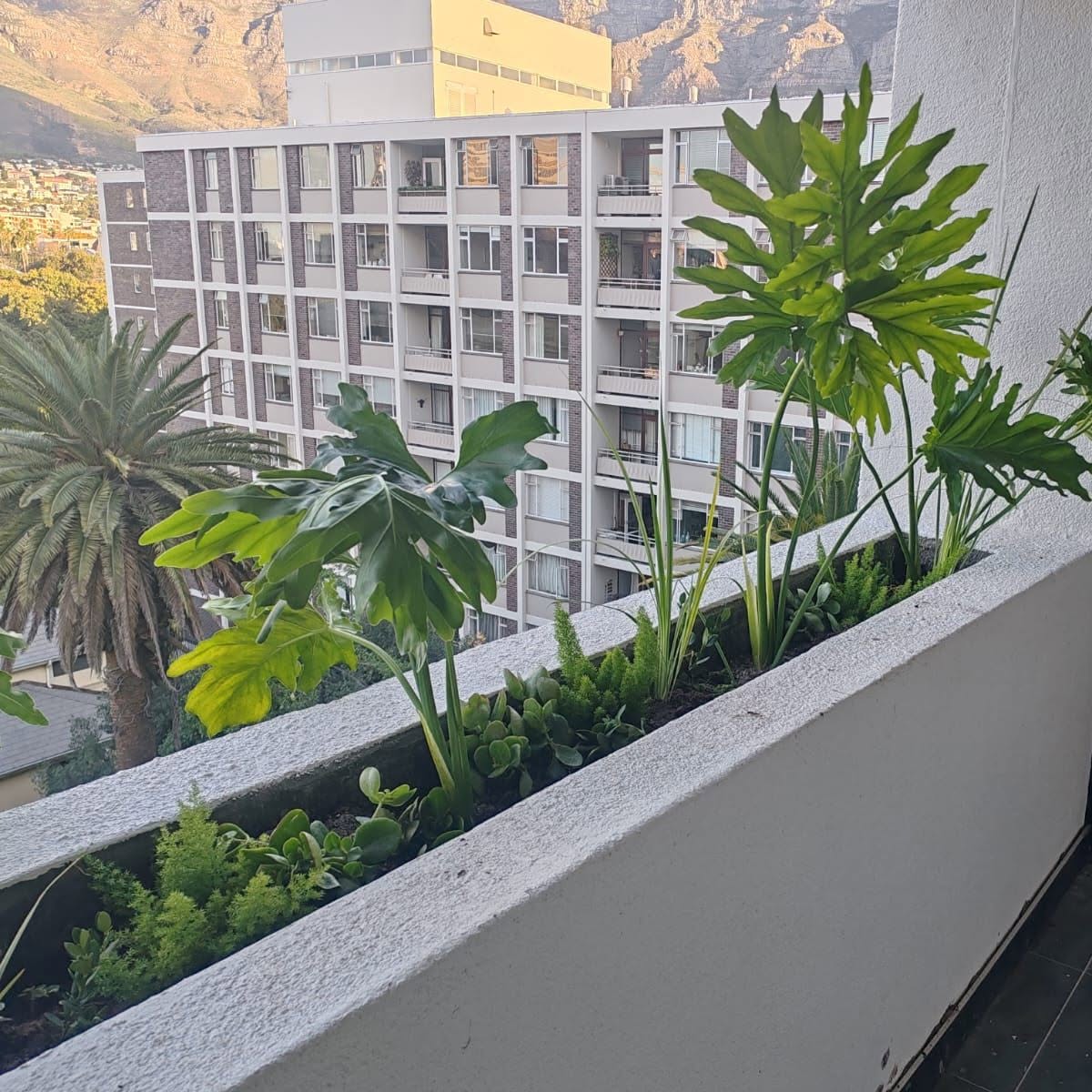
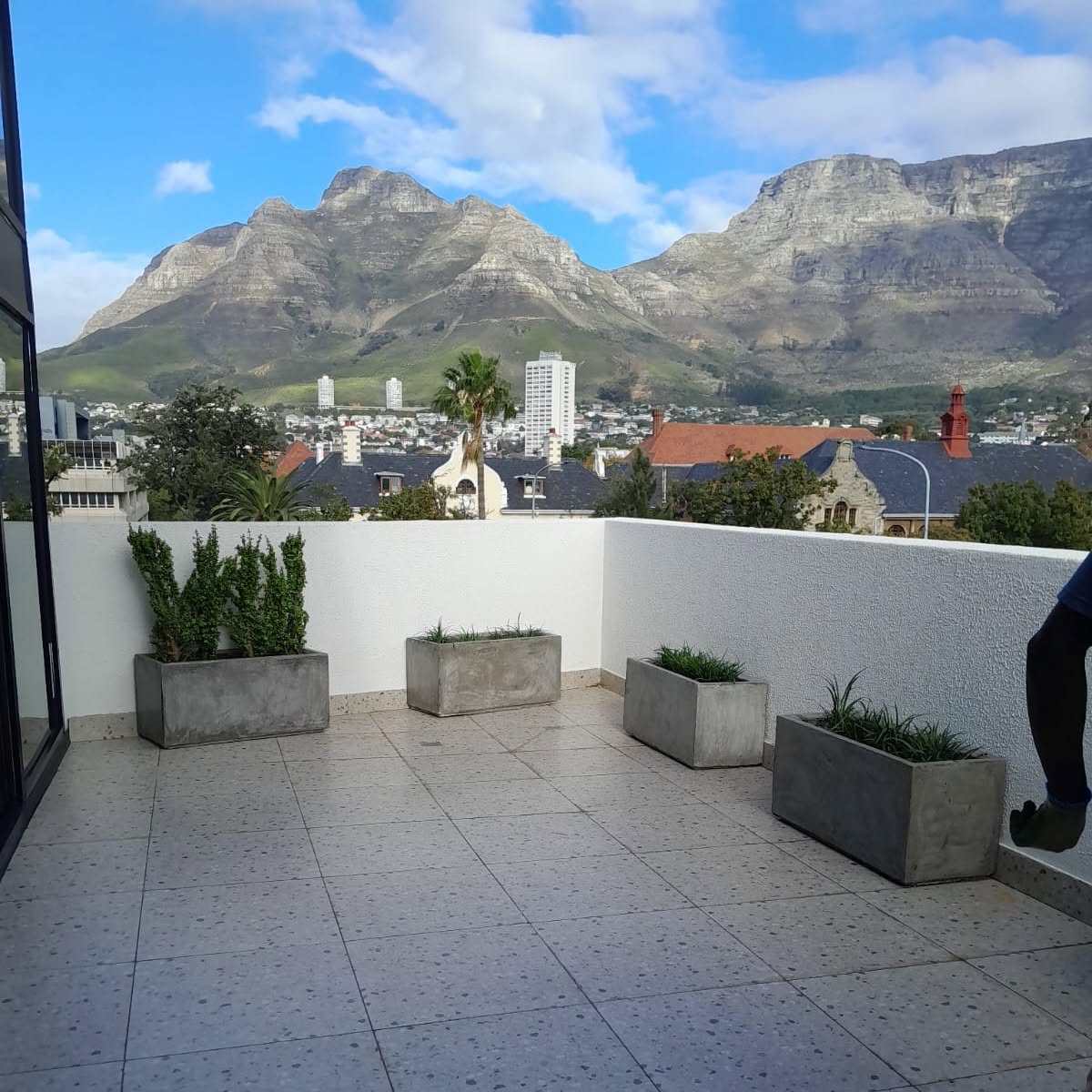
The Shift Toward Spring
And while winter holds for a little longer, there’s a noticeable change on the horizon. Spring is closer than it feels.
There’s a shift that starts quietly, slightly longer days, a change in light, the first signs of renewal beginning to show. It’s subtle, but it’s there. And in this industry, that next season doesn’t begin when Spring arrives, it begins now, in the preparation, the planning, and the readiness to respond when it does.
The Cost of Neglect
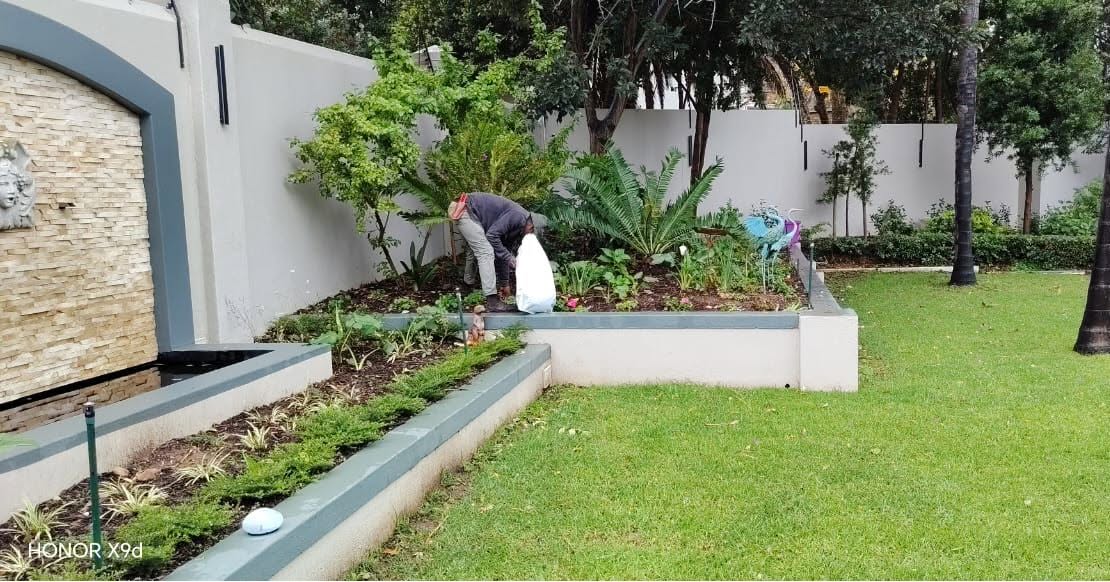
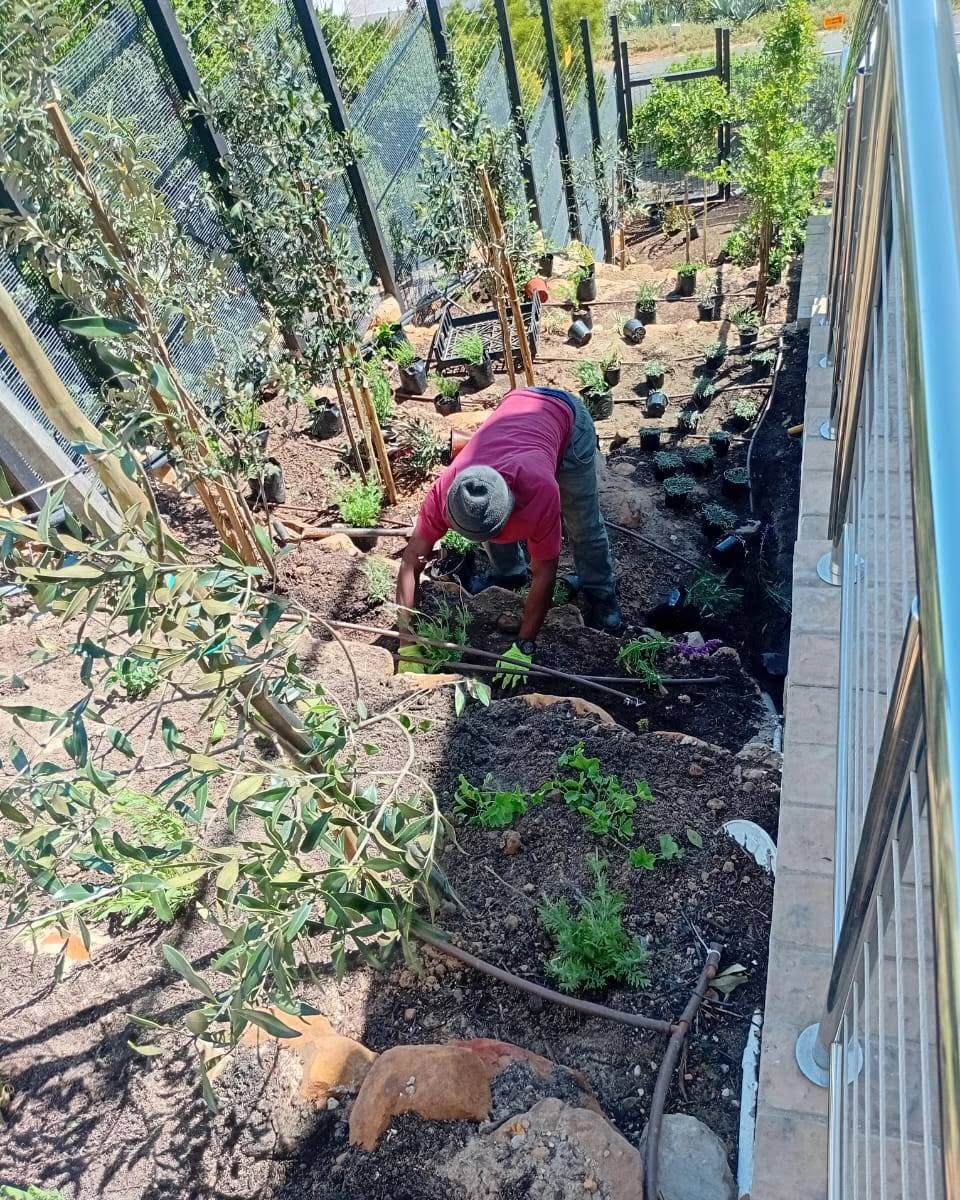
Neglected irrigation systems lead to water waste and plant stress. Trees left unmanaged become safety risks and long term liabilities. Soil that loses its structure and organic content becomes increasingly difficult, and expensive, to restore.
These are avoidable costs. They are the result, not of neglect alone, but of postponed decisions that ultimately demand greater investment.
Looking Ahead, Steady as Ever
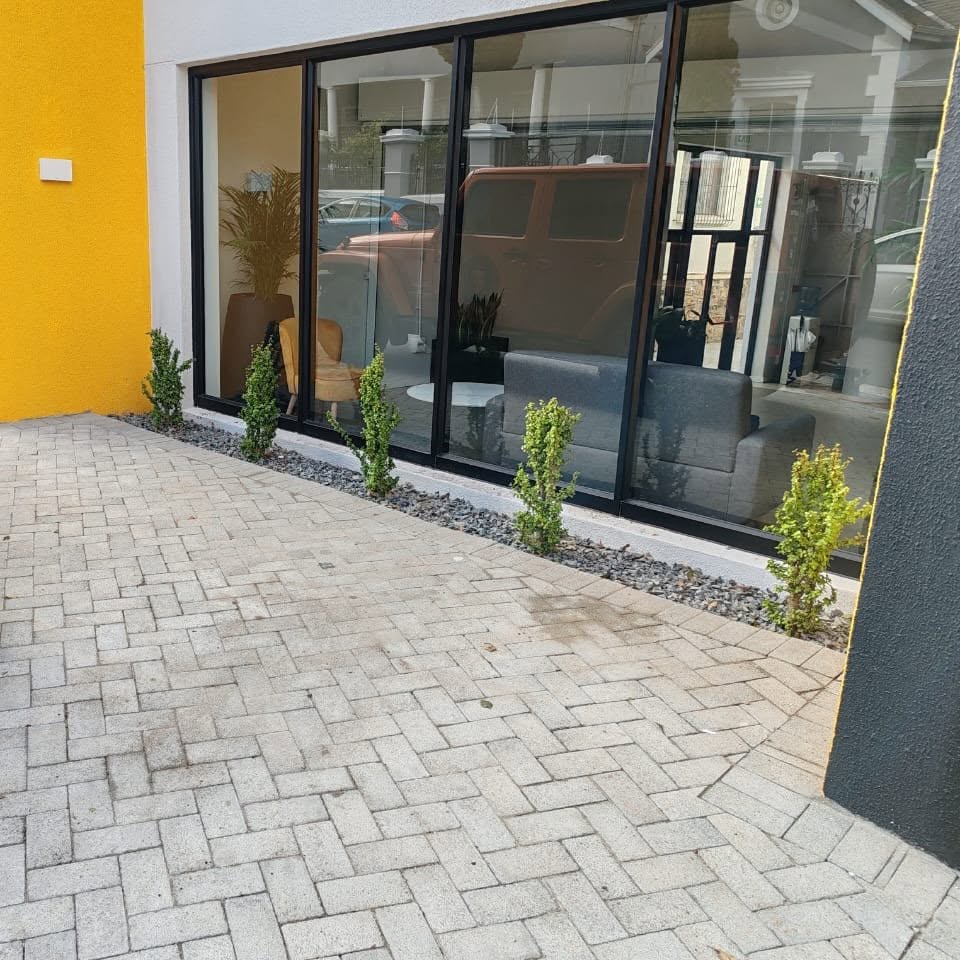
So, July becomes more than just a midpoint in the year. It’s a steadying place.
A moment to reflect without losing momentum. To prepare without rushing.
And to make sure everything is in place for what comes next.
As the season begins to shift, it’s also a natural time to start thinking about how outdoor spaces will need to respond, whether that’s a home garden ready to come back to life, an estate preparing for increased activity, or a commercial landscape setting the tone for the months ahead.
The seasons will turn, as they always do.
Our role is to remain ready and to keep the work moving, quietly and consistently, through it all.

Rooted Conversations:
A Perspective on Growth, Structure, and Staying Power
As part of this midyear moment of reflection, we turn to someone who has been part of the journey behind the scenes, offering perspective, structure, and guidance as BEST Landscaping has grown.
Colin’s relationship with Julian spans years of mentorship, practical business input, and steady support. With a background in guiding entrepreneurs and building sustainable businesses, his influence sits not in the spotlight, but in the foundations, in how decisions are made, how systems are put in place, and how a business learns to hold steady through change.
In a season that invites both reflection and forward thinking, we asked Colin to share his perspective on what it takes to build something that lasts.
-
Your relationship with Julian spans mentorship, business guidance, and personal support. Looking back, what foundational principles shaped his approach, and how do those still show up in BEST Landscaping today?
I first need to provide some context.Julian arrived in South Africa in 2006 as part of an internship linked to his studies. He chose Cape Town in part because of the unique fynbos floral kingdom, and also because it gave him the opportunity to pursue his interest in kite surfing during the Summer months. From the beginning, he brought a great deal of enthusiasm and a strong “can-do” attitude even though language presented its challenges at the time.
He returned the following year, met his wife, and eventually made Cape Town home. Over time, he built strong personal and professional relationships, and ultimately established his own landscaping business. Those early years exposed him not only to landscaping in a South African context, but also to the broader workings of a business; financial systems, marketing, and general management.
As he progressed into a management role, and later spent time working with a business coach, those foundations were strengthened. What has remained consistent is his willingness to learn, his work ethic, and his responsiveness, all of which continue to show up in how BEST Landscaping operates today.
-
Landscaping requires both creativity and discipline. How do you see that balance influencing long-term success, particularly for young landscapers entering the industry?
Julian is both disciplined and hardworking, and those qualities are important in any business. At the same time, entrepreneurship naturally requires a level of creative thinking, particularly in an industry like landscaping, where design and problem-solving are part of the daily work.That creative way of thinking often extends beyond the garden itself. It influences how decisions are made, how challenges are approached, and how opportunities are identified. For those entering the industry, it’s important to understand why many small businesses struggle. The most common reasons include:
• Lack of access to finance
• Poor financial management
• Lack of planningIn many cases, these are closely linked. Difficulty in accessing funding often comes down to weak financial controls or incomplete records. Understanding the numbers, managing cash flow, and planning ahead are as important as the creative side of the work.
-
In your experience, what are some of the key areas entrepreneurs in this field often overlook when building a sustainable business?
There are three areas that consistently stand out:• Planning
• Financial management
• MarketingThese are often underestimated, particularly in hands-on industries where the focus is on delivery. One additional point, which may seem premature when starting out, is to think about the long-term view of the business. Having some idea of how you would eventually step away or transition the business can influence how it is structured from the beginning.
-
Gardens evolve over time, much like businesses. What parallels do you see between cultivating a resilient landscape and building a resilient enterprise?
In nature, a healthy ecosystem depends on the efficient exchange of energy and nutrients between living and non-living components. The same principle applies in business. A strong business environment is built on relationships, a network of people, partners, and systems that support one another while continuing to evolve.Julian has always approached both his personal and business relationships with the intention of adding value. Over time, that way of working has shaped both the gardens he creates and the business he has built. The two are not separate, they reflect the same underlying approach.
-
What advice would you offer to someone starting out in landscaping today, particularly when facing growth pressures, competition, and environmental challenges?
For graduates entering the industry:
• Learn from experienced professionals.
• Seek out opportunities to work with respected companies.
• Stay open to continuous learning.For those looking to start a business:
• Have a clear plan, understand how the business will generate income and remain viable.
• Develop and implement a focused marketing approach.
• Maintain strong financial systems and controls.
• Be willing to outsource non-core functions where necessary.
• Regularly review and improve both financial and operational processes.The industry will always come with challenges whether they are economic, environmental, or competitive. What matters is how well prepared you are to respond to them.