Why Your Garden Looks Tired; And It’s Not the Plants
Why Your Garden Looks Tired; And It’s Not the Plants
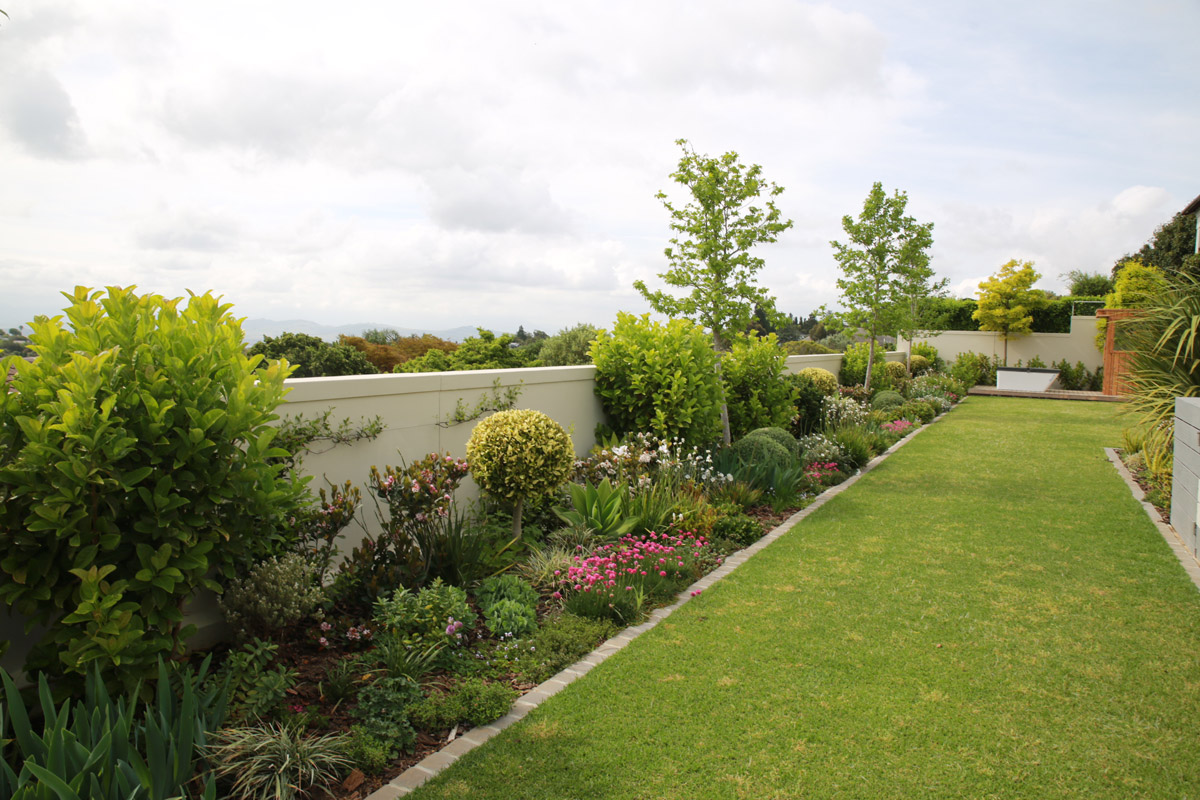
This article is for homeowners, estate managers, and commercial property owners who feel their gardens should be performing better, but aren’t sure why.
If your landscape looks flat, dull, or underwhelming despite regular maintenance, the issue may not be what you see above ground, but what’s happening beneath the surface.
You water regularly.
You prune when things look untidy.
You may even replace plants that don’t “make it”.
And yet, your garden still looks flat, dull, or underwhelming. Here’s the surprising truth: most tired‑looking gardens aren’t suffering because of the plants. They’re struggling because of what’s happening around and beneath them.
The Real Issue: What We Don’t See
Gardens face a unique mix of challenges; compacted soil, inconsistent watering cycles, seasonal extremes, and years of “quick fixes” layered on top of one another.
Over time, even the most resilient plants begin to show signs of stress:
- Leaves lose their colour or shine.
- Growth slows or becomes uneven.
- Lawns thin out despite regular care.
- New plants fail to establish properly.
This isn’t neglect. It’s often the result of invisible fatigue in the garden system itself.
Compacted Soil: When Roots Can’t Breathe
Soil compaction is one of the most common, and overlooked, causes of garden fatigue. Foot traffic, machinery, and even heavy winter rains press soil particles tightly together, reducing airflow and water movement. Plants may still be alive, but they’re working harder than they should just to survive.
Nutrient Depletion: Feeding the Surface, Forgetting the System
Fertilisers can help, but when soil structure is poor, nutrients don’t reach plant roots effectively. This leads to a cycle of feeding without long‑term improvement. The garden looks temporarily better then slides back.
Overwatering (Yes, Even in a Dry Climate)
More water doesn’t always mean healthier plants. Poor drainage and compacted soil can cause roots to sit in stagnant conditions, increasing stress and disease risk. Ironically, gardens can be both overwatered and underperforming.
Maintenance Without Strategy
Routine maintenance keeps gardens tidy, but without a seasonal strategy, it can also exhaust them. Cutting back at the wrong time, removing organic matter too aggressively, or neglecting soil recovery leads to long‑term decline.
Why This Matters for Homes and Commercial Properties
For homeowners, a tired garden quietly erodes enjoyment and pride. For estates, offices, and commercial spaces, the impact is broader:
- Poor first impressions.
- Higher replacement costs.
- Increased maintenance over time.
- Landscapes that don’t reflect the quality of the property.
A garden is not décor, it’s infrastructure. And like any infrastructure, it needs systemic care, not just surface attention.
The Good News: Tired Gardens Can Recover
Most gardens don’t need to be redesigned or stripped out. They need to be reset.
At BEST Landscaping, we see gardens not as collections of plants, but as living systems. When the system is restored – soil, structure, water flow, and seasonal rhythm – plants often recover faster than expected.
That’s when gardens regain:
- Depth and colour.
- Healthier growth.
- Seasonal resilience.
Long‑term sustainability.
Practical Tips You Can Apply at Home
Whether you’re hands‑on or hands‑off, these steps make a real difference:
Loosen, Don’t Fight the Soil
Avoid digging aggressively. Use gentle aeration methods and organic matter to improve structure gradually.
Mulch With Purpose
Mulch isn’t just for summer. A good winter mulch protects soil, improves moisture balance, and feeds life below the surface.
Water Less Often, But Better
Deep, less frequent watering encourages stronger root systems. Shallow, daily watering does the opposite.
Prune Strategically
Not all plants want the same treatment. Autumn and winter pruning should support structure and recovery, not shock.
Think Seasonally, Not Reactively
Gardens thrive on rhythm. What you do now shapes how your garden performs in spring and beyond.
Knowing When to Bring in the BEST
If your garden:
- Never seems to “bounce back”.
- Requires constant replacement of plants.
- Looks tired despite regular care.
- Is part of a shared or commercial property.
…it may be time for a professional landscape assessment, not more surface fixes.
The Signal Beneath the Surface
A tired garden is not a failure. It’s a signal.
When we listen – and respond with intention – gardens don’t just recover. They transform!
Resetting Your Garden the Right Way
Whether you manage a home, an estate, or a commercial property, BEST Landscaping can help you move from maintenance to meaningful, long‑term garden health. Get in touch with BEST Landscaping. Ask us about seasonal garden assessments and recovery plans.
Your garden doesn’t need more effort. It just needs the right care.
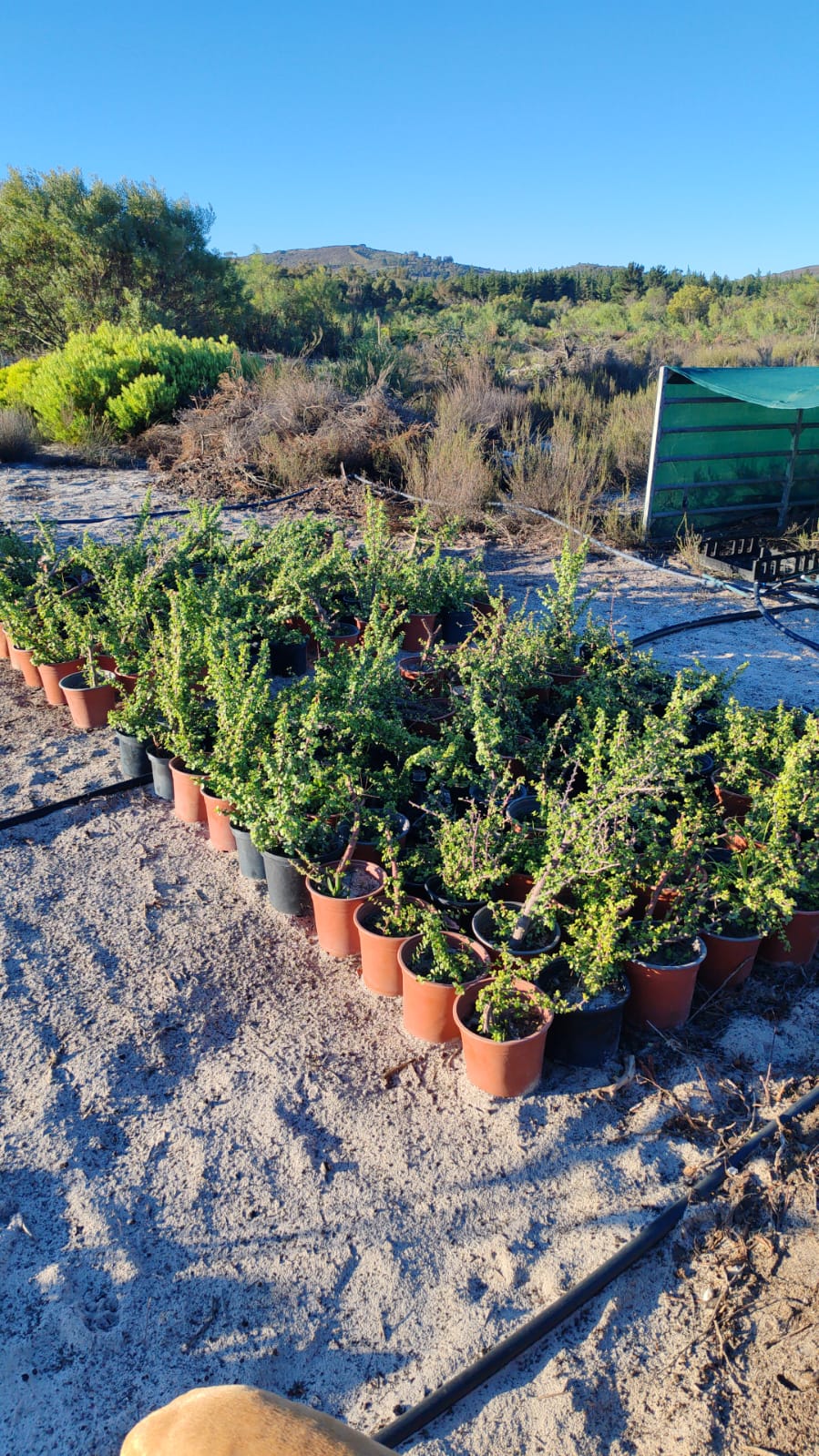
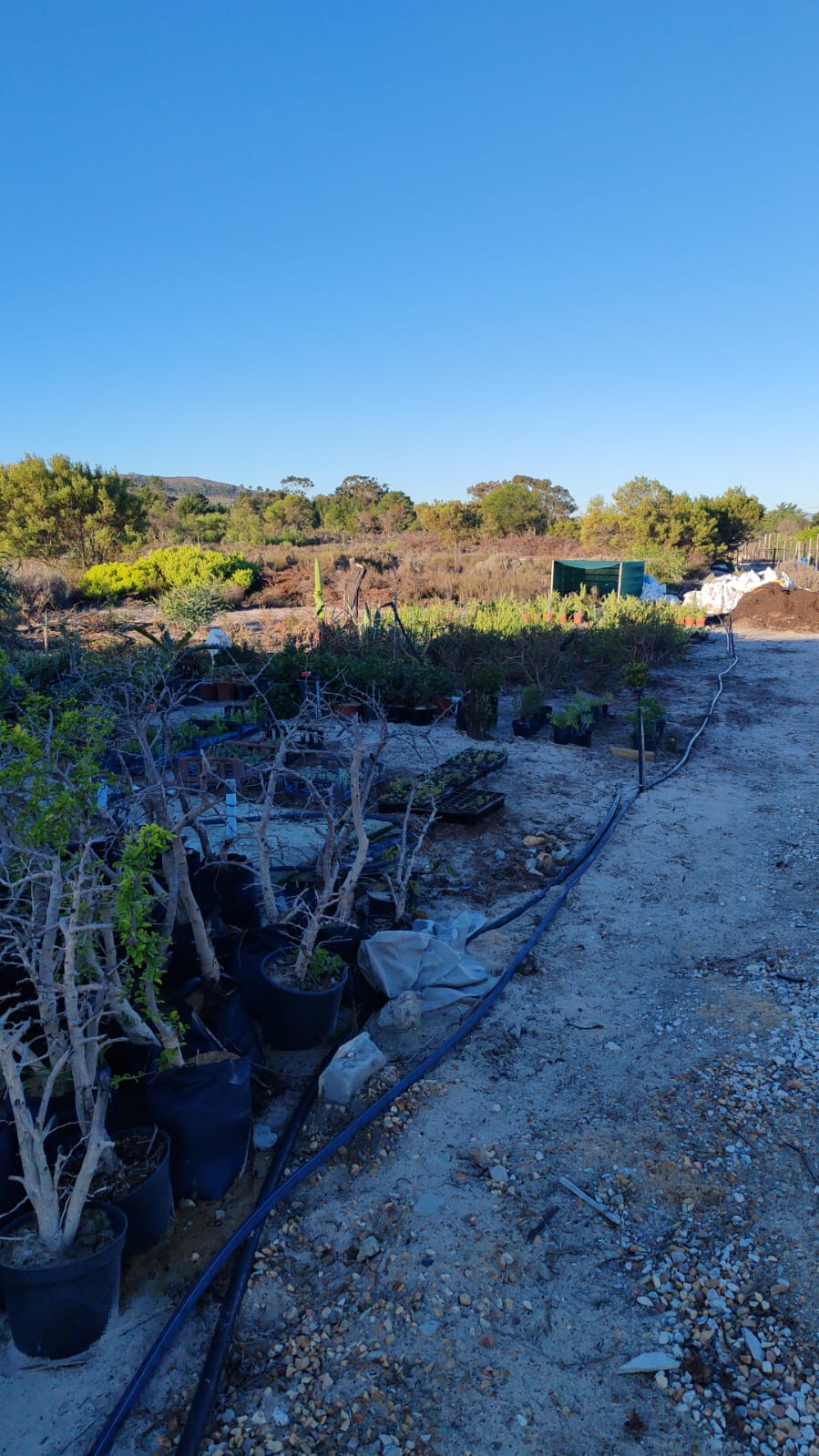
Farm Update:
Laying the Groundwork for What Comes Next
Since the acquisition of the farm, steady progress has been underway, not always visible at first glance, but essential to building a site that will support long‑term landscaping, growing, and sustainability goals.
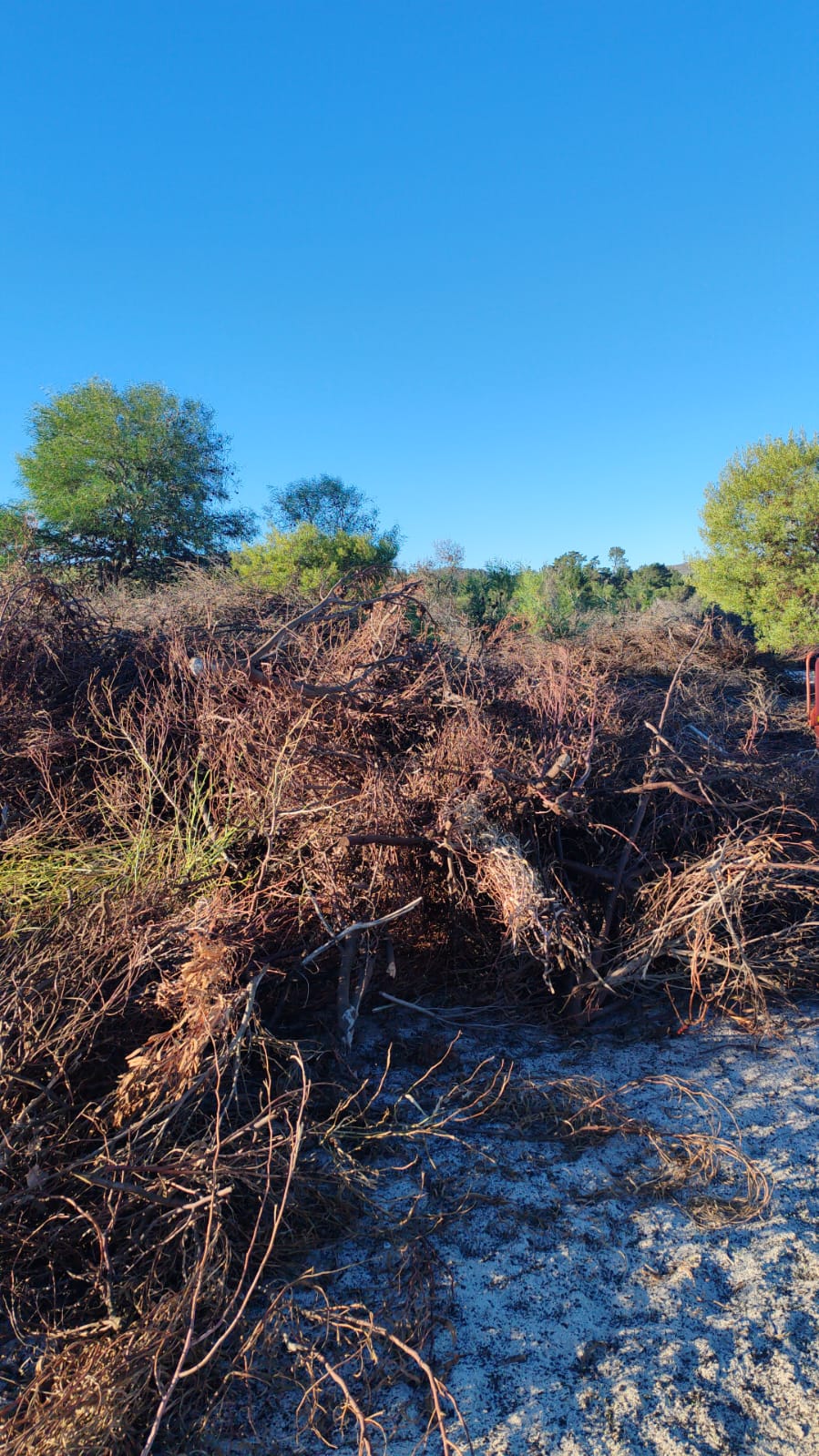
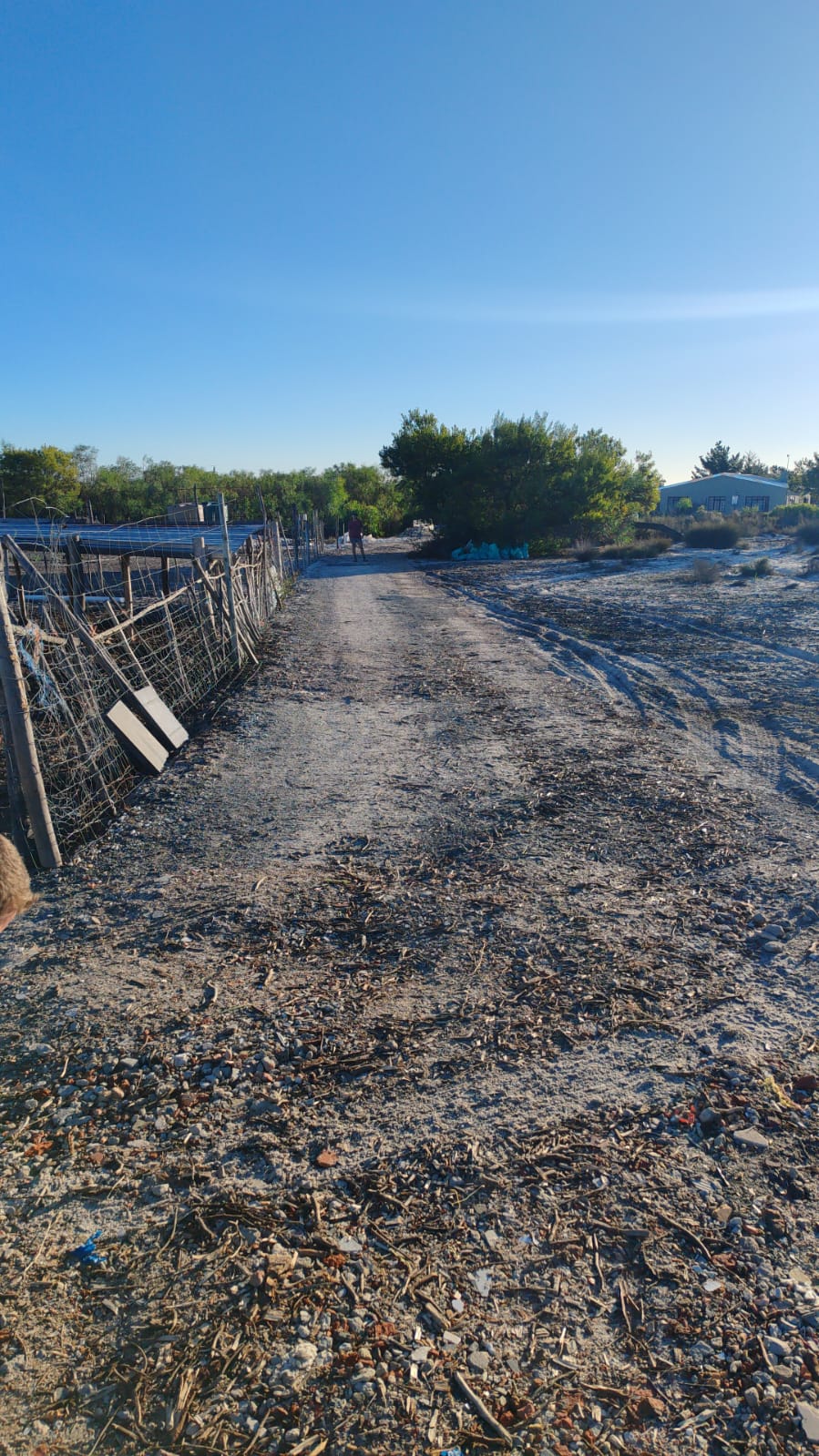
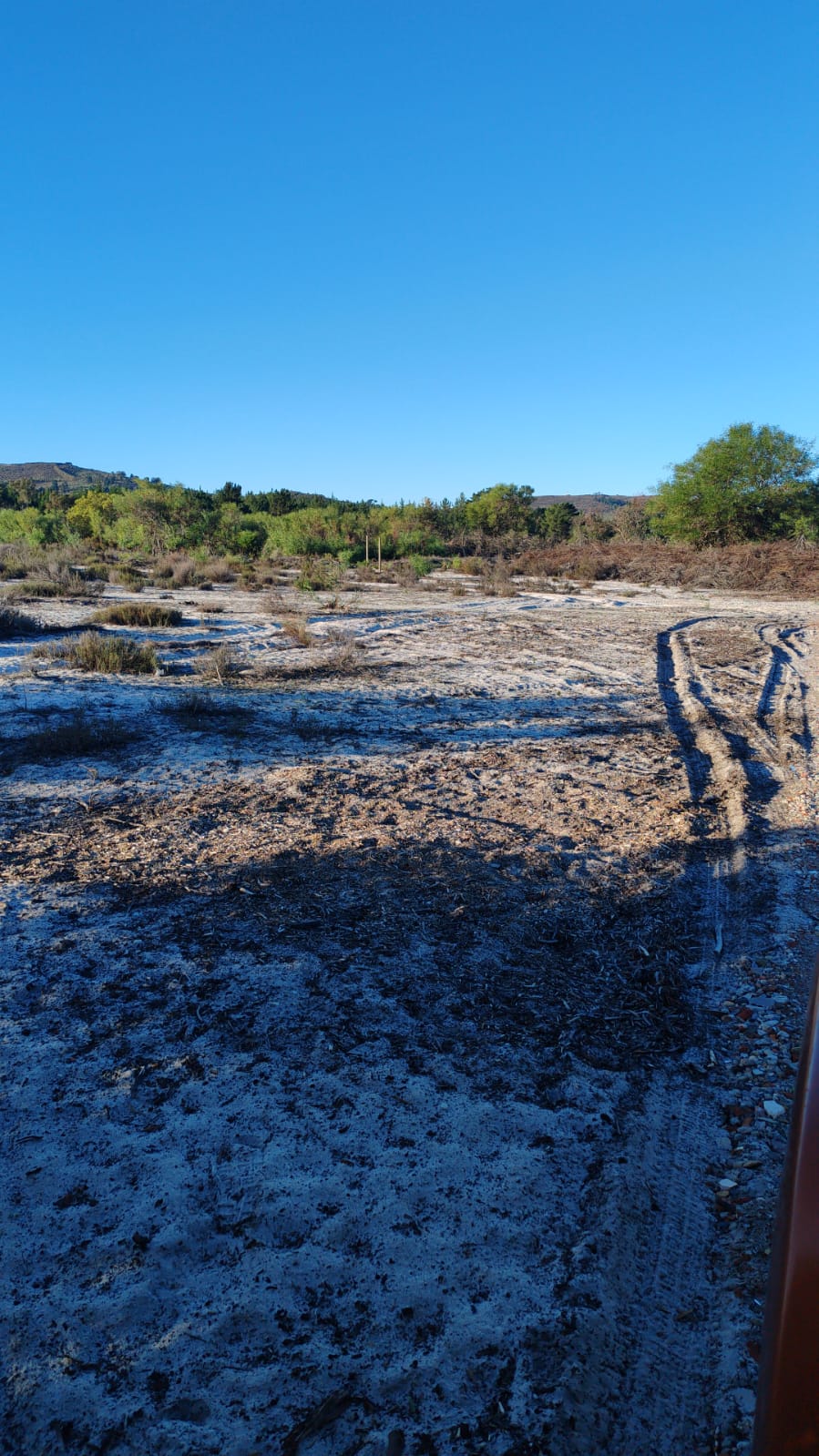
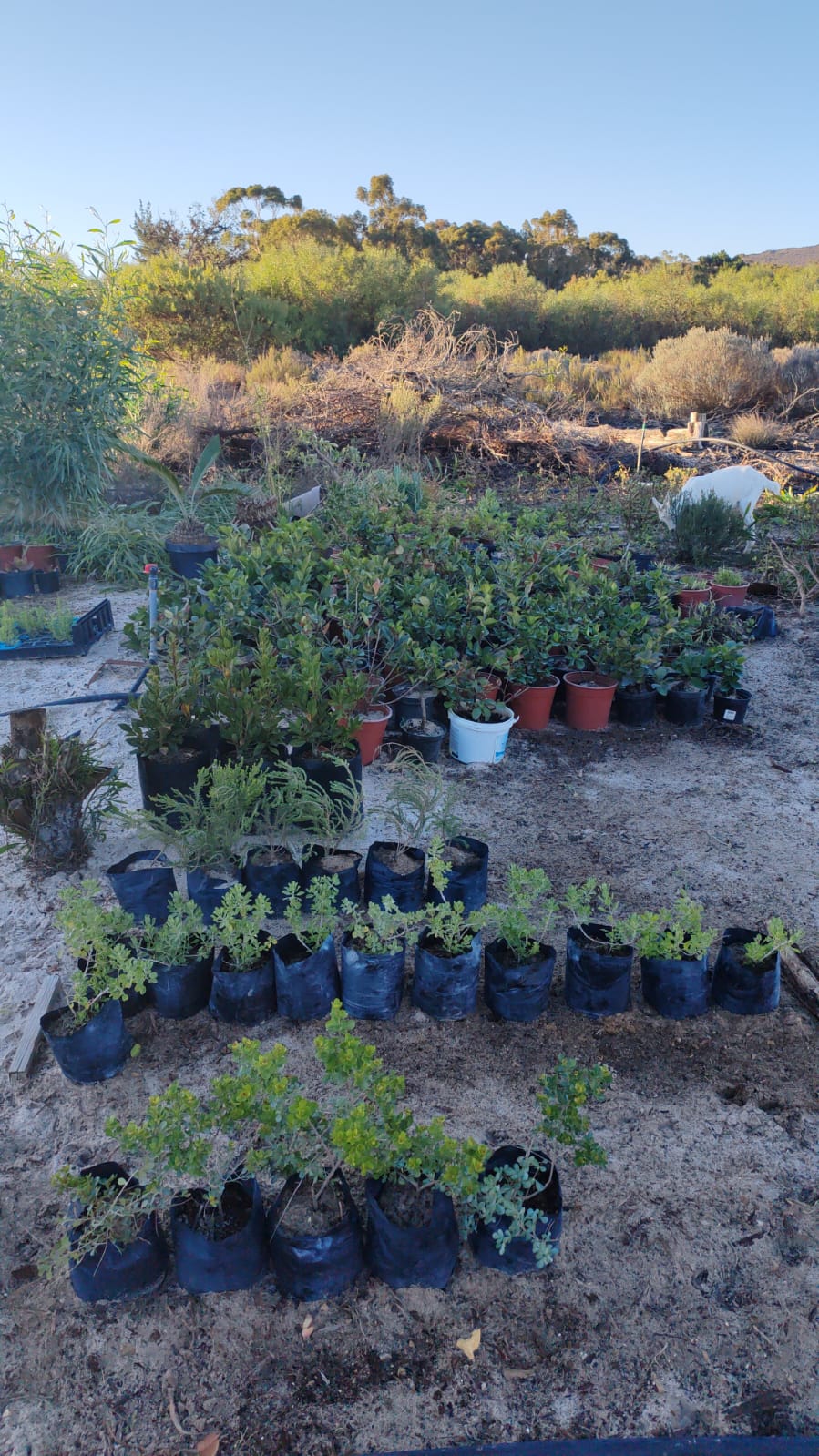
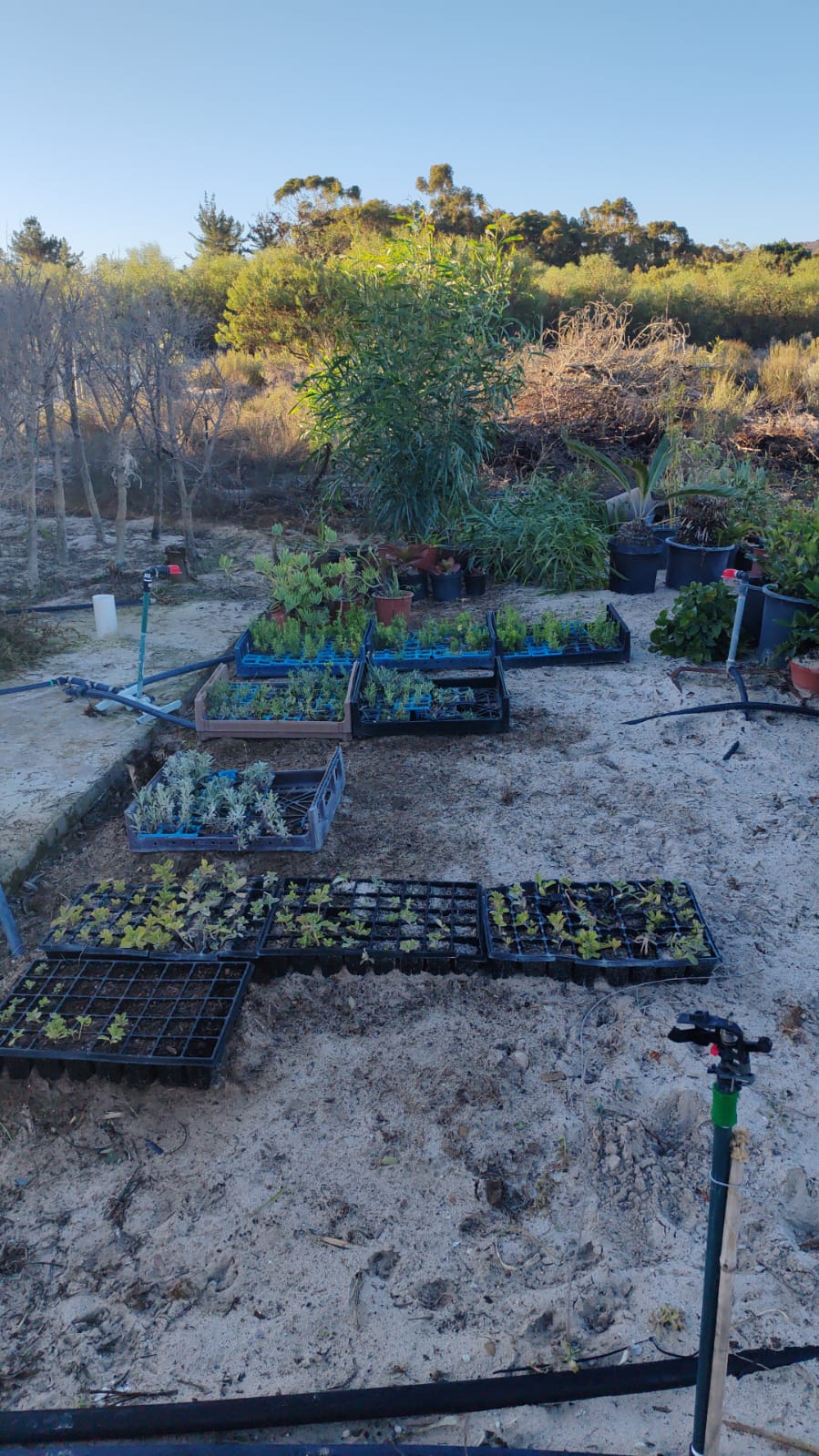
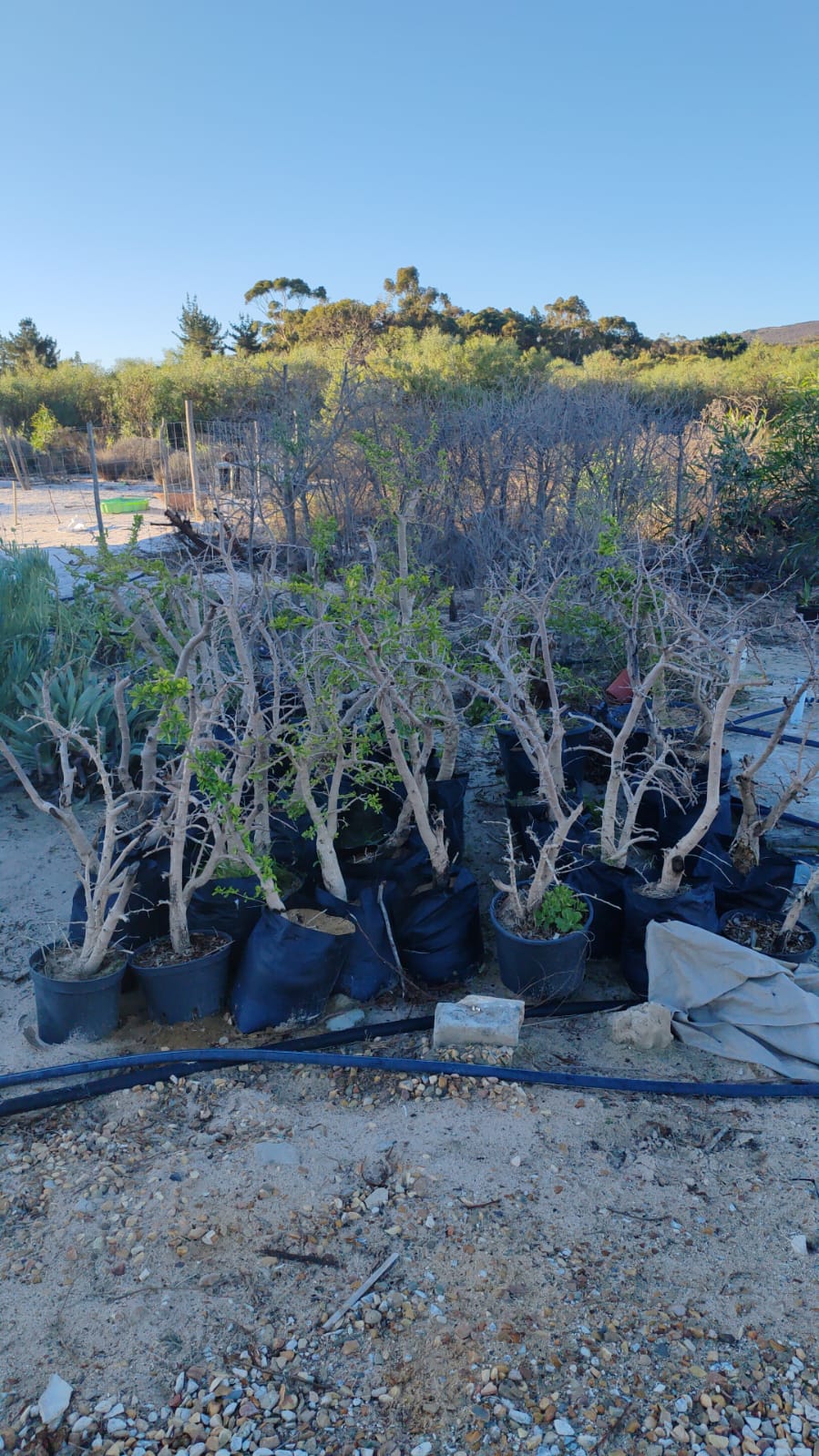
One of the first priorities has been road upgrades across the property, ensuring reliable access to the back sections of the farm. This work is practical and foundational, allowing vehicles, equipment, and materials to move safely and efficiently across the site as development continues. At the same time, clearance work has begun for the future seedling nursery. These areas are being carefully prepared to create the right conditions for propagation, supporting BEST Landscaping’s intention to grow strong, healthy plants from the earliest stages, close to home and under controlled conditions.
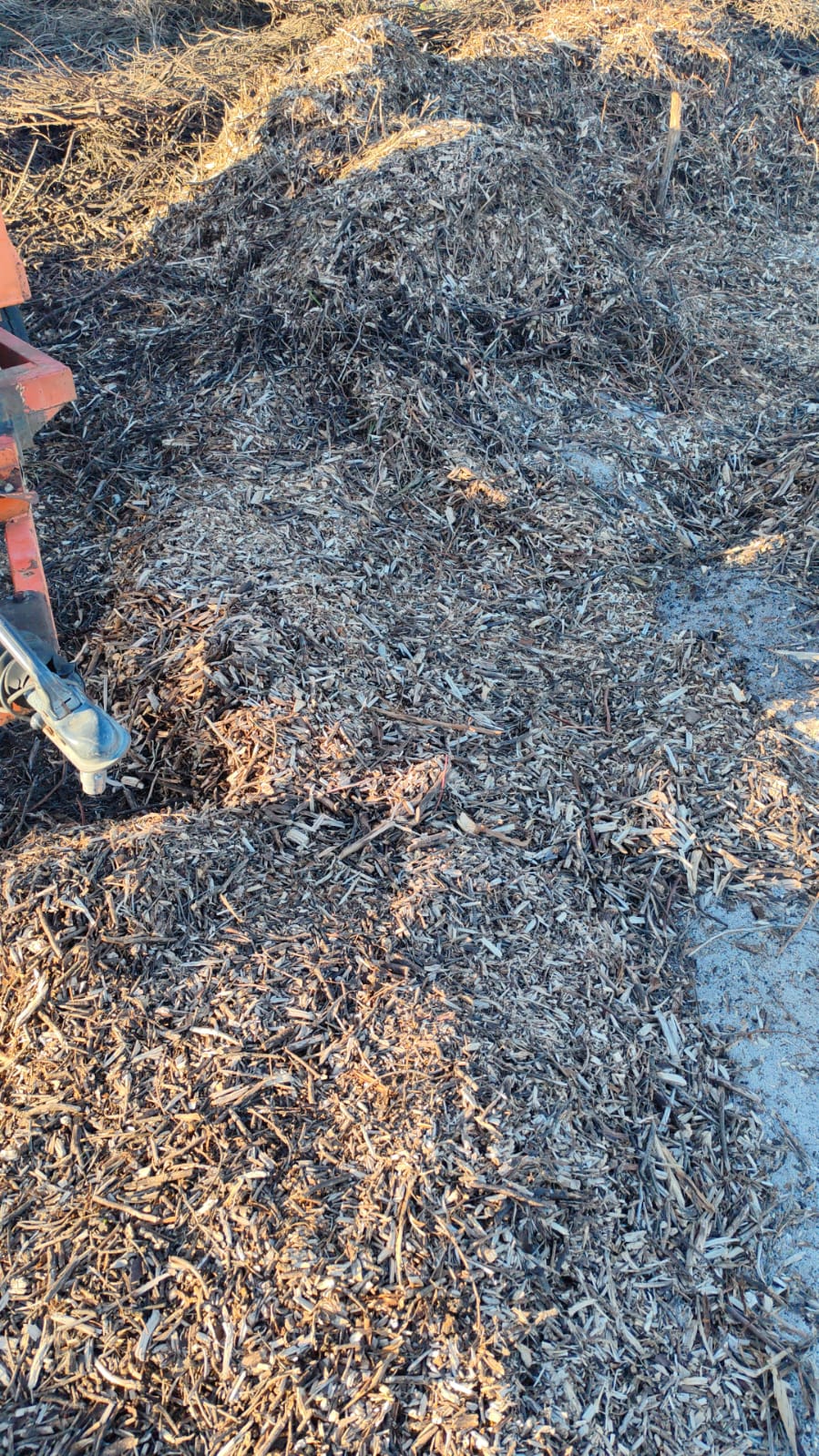
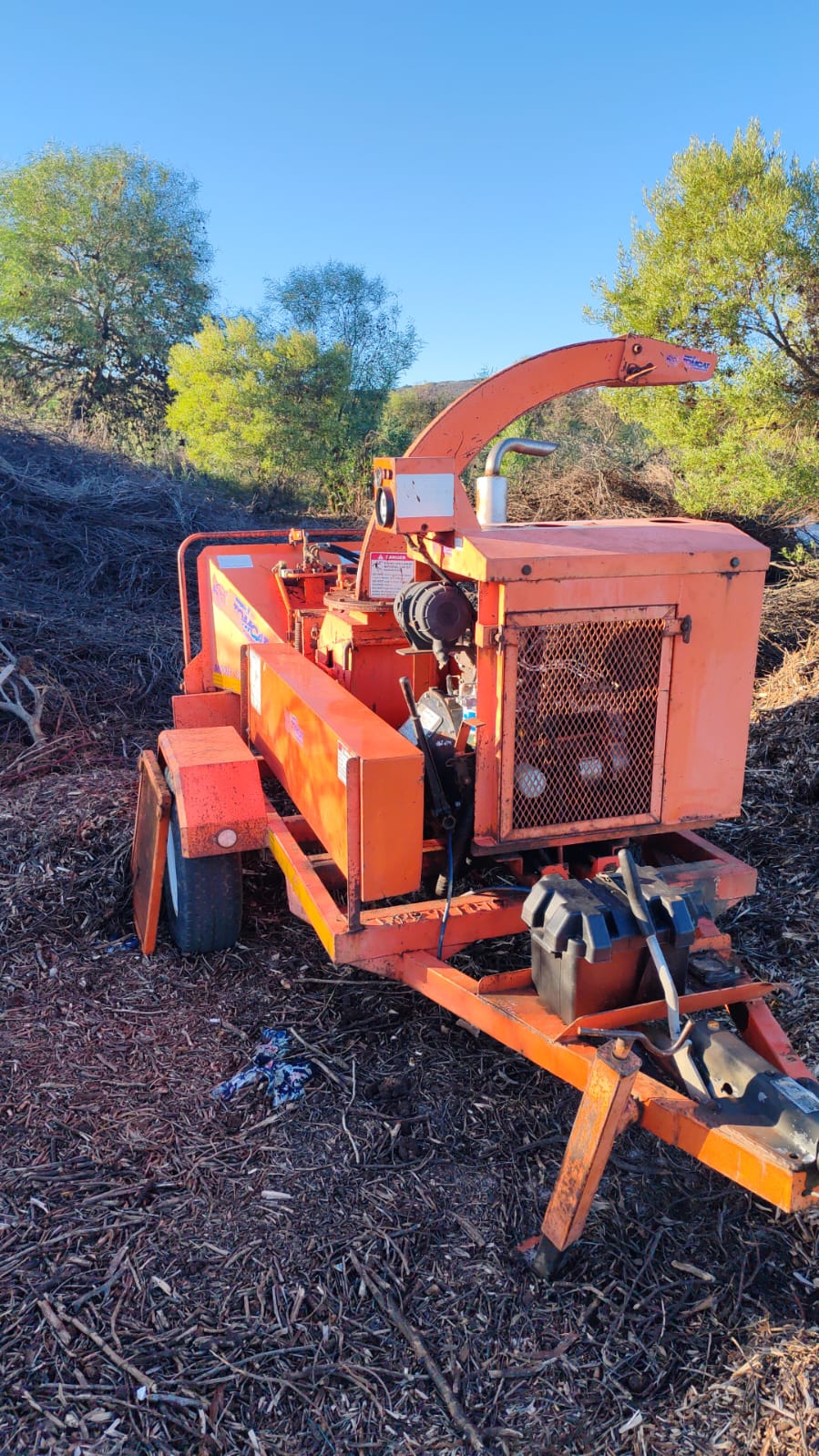
Another key focus has been ongoing compost mixing for current and upcoming projects. Compost production is central to the farm’s role in supporting soil health across our clients’ sites. By producing and refining compost on the farm, organic matter is returned to the soil where it belongs improving structure, nutrient availability, and long‑term resilience.
Together, these developments may seem modest, but they represent something important: systems being put in place. Step by step, the farm is becoming a working landscape, one that supports better growing practices, reduces waste, and strengthens the quality of work delivered beyond its boundaries.
This is groundwork in the truest sense; preparing the land so that everything that follows is built on solid foundations.
As the farm continues to take shape, the focus remains on doing the quiet, necessary work well. The roads, the nursery preparation, and the compost systems are not the end goal, but they are what make future growth possible.
With each step, the farm moves closer to fulfilling its role as a living support system for the landscapes we design and maintain. It is a long‑term investment in quality, sustainability, and resilience, one that will continue to benefit our work, our clients, and the environments we help shape for years to come.